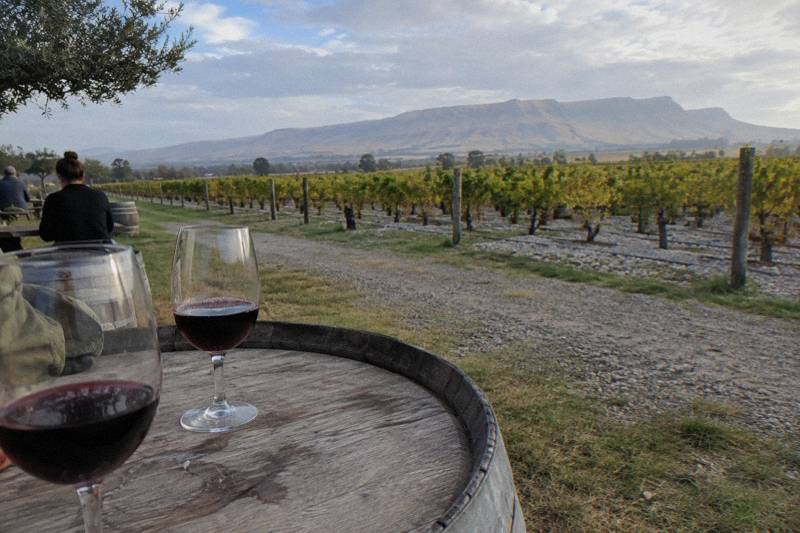
Gimblett Gravels Winery Tours: The Gravel Strip And Which Cellar Doors To Visit
The Gimblett Gravels is the name Hawke's Bay wine marketing, winery listings and tour booking pages all use for one small winegrowing pocket. Here is what the name covers, which cellar doors sit in it, and which tours actually mention it.
Short answer
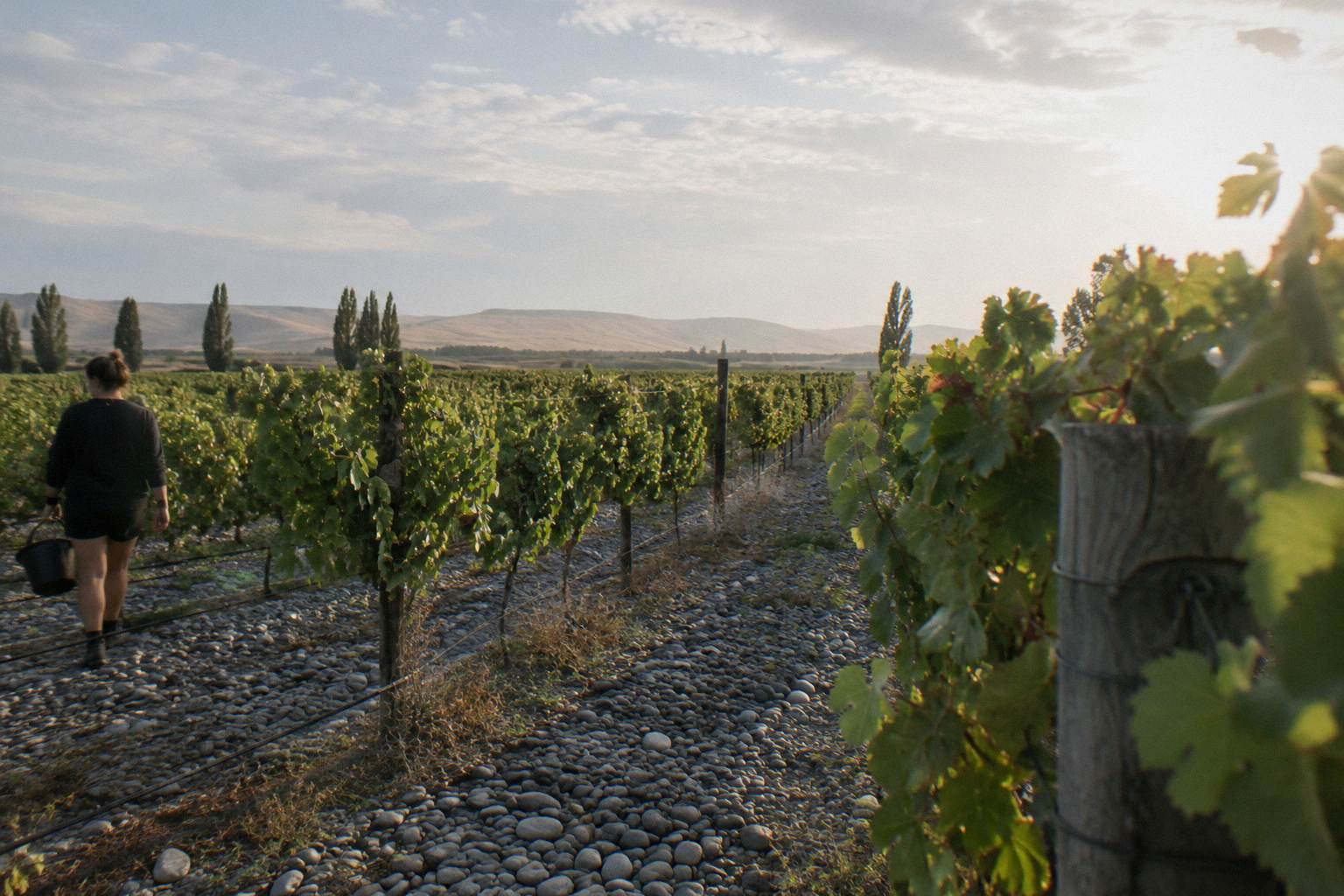
The Gimblett Gravels is a Hawke's Bay growing area listed on official regional pages, with Trinity Hill shown under it. Tours from US$104 to US$143 per person mention the Gravels or a Gravels winery, and Prinsy's Hawke's Bay Icons Private Tour, 4.9 from 201 reviews, lists Trinity Hill with admission included.
Hawke's Bay's regional wine body divides the region into five growing areas, and the Gimblett Gravels is the one that turns up most often on tour booking pages. The name appears in a specific way: on official pages as a sub-region listing, and on tour listings as a road sign, a grower's commentary or a prestige tag. That gap between how the region describes the area and how tours sell it is worth understanding before you book a day around it. This page lays out what the name covers, which cellar doors sit in or beside it, and which tours actually put it on the itinerary.
What Is The Gimblett Gravels Winegrowing Area?
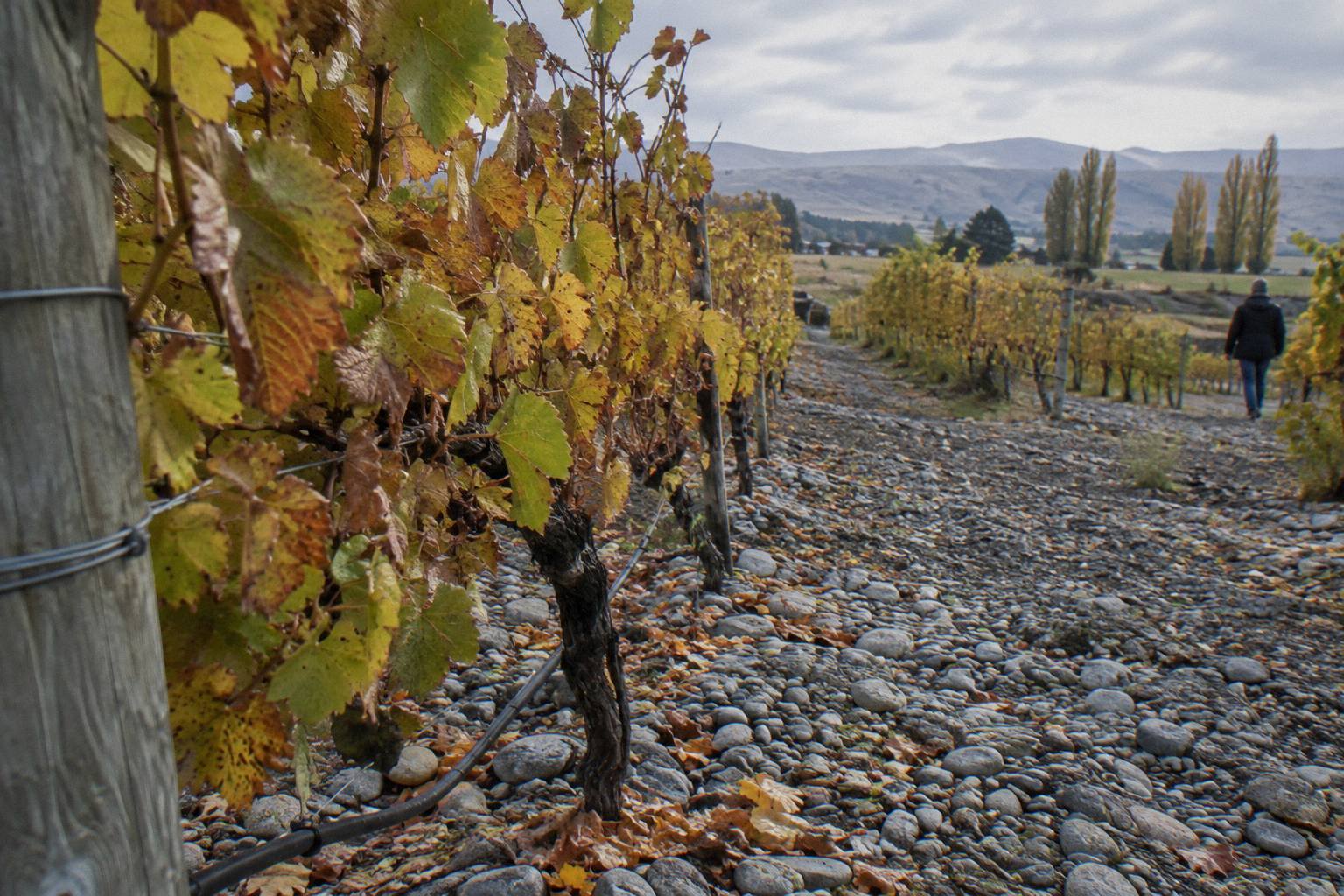
The Gimblett Gravels is one of several named growing areas used on Hawke's Bay's official wine pages, sitting alongside Bridge Pa Triangle, Havelock North, Hastings, Napier and Taradale, and the Te Awanga and Haumoana coast. Trinity Hill is listed under it on the regional body's pages. No size figure, soil depth or registration date is published in the sources on this site, so none appears here.
The regional wine body, Hawke's Bay Winegrowers, describes the region as loosely divided into five unique growing areas and notes a long, hot growing season with low rainfall tempered by cool coastal breezes. Nationally, New Zealand Winegrowers' Hawke's Bay page speaks of the "Gimblett Gravels and Bridge Pa Triangle area" on the Heretaunga Plains, and the whole region holds about a tenth of New Zealand's planted vineyard area. The Gravels sit inside that bigger picture, not apart from it.
What the name does not come with is a number. No published hectare count attaches to the Gimblett Gravels, no soil depth figure exists, no stone description goes beyond the word "gravels" itself, and no vine age claim is on record. That gap invites invented geology, so treat any precise figure you read elsewhere with caution. The framing that holds up is functional: the Gravels is a named pocket that wineries and tours use to signal where their grapes grow. Heat is another angle the regional body frames only loosely, describing heat summations "between Burgundy and Bordeaux" for the region as a whole rather than for the Gravels alone.
For a fuller picture of the region's five growing areas and how they differ, see the companion guide on how the Hawke's Bay wine region is laid out. It covers the coastal strip and Bridge Pa Triangle in the same verified terms, and it is the better place to compare sub-regions before deciding where your wine day should focus. The Gravels is small on that map, but it carries a lot of the region's reputation for red blends and Syrah, which Hawke's Bay Winegrowers names among the region's best-known styles alongside Chardonnay.
Which Cellar Doors Sit In The Gimblett Gravels?
Trinity Hill's own page gives its address as 2396 SH50, Hastings, and describes planting from 1993. That is the one cellar door this site can place in the Gravels from an official listing. Beyond it, the verified addresses mostly cluster in the surrounding areas: Craggy Range at 253 Waimarama Road, Havelock North, founded 1998, with a restaurant on site and bookings essential; Te Mata Estate at 349 Te Mata Road, Havelock North, established 1896; Mission Estate at 198 Church Road, Napier, dating from 1851; Church Road at 150 Church Road, Taradale, a winery established 1897 with a restaurant; Black Barn on Black Barn Road, Havelock North; and Elephant Hill on Clifton Road, Te Awanga on the coast. All of these details come from the wineries' own pages, not from rankings, and none of them is a Gravels address.
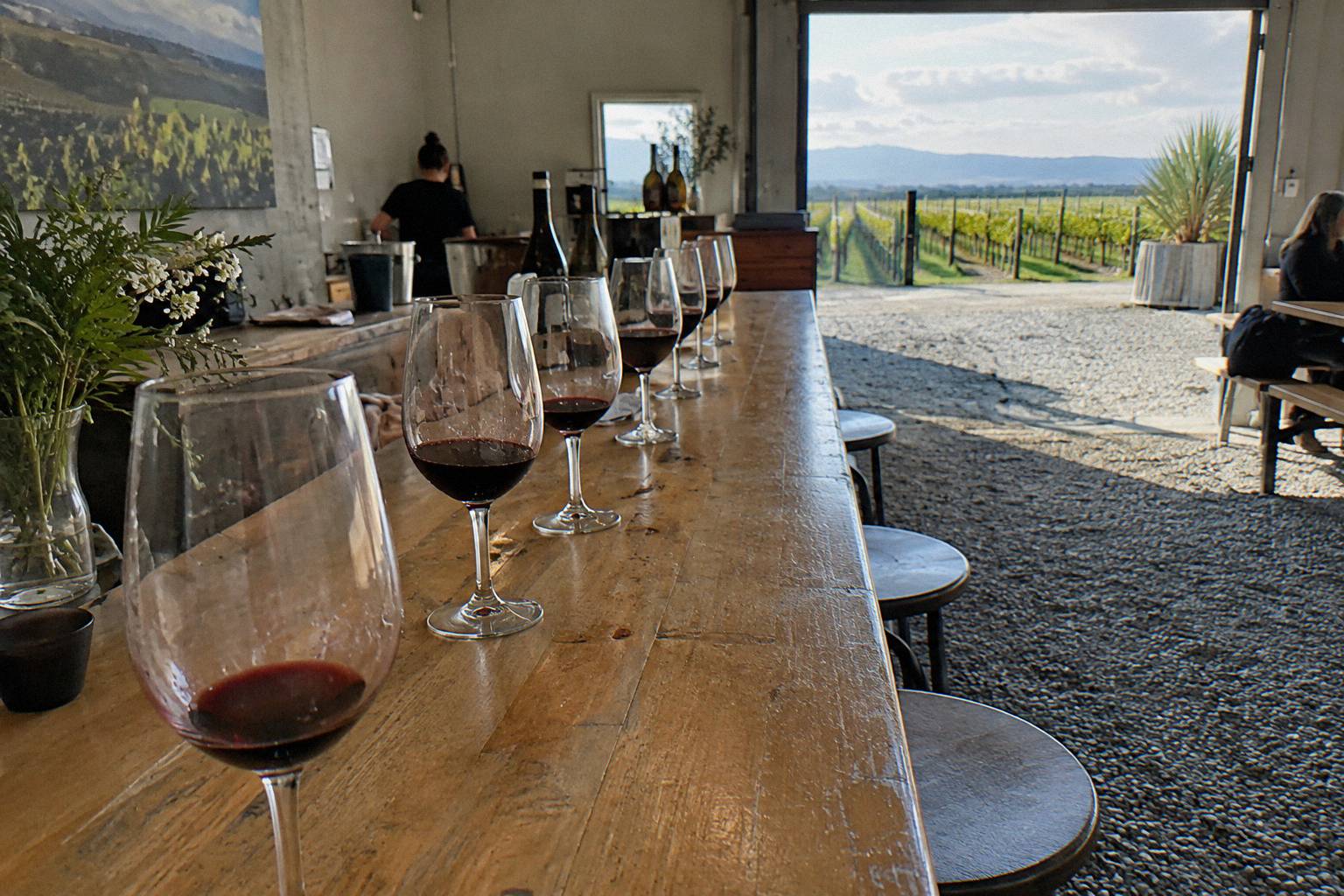
Two honesty notes matter here. First, Mission Estate and Te Mata Estate each describe themselves with an age superlative on their own pages; this site does not repeat that wording or crown either one. Second, opening hours and tasting fees change constantly, so this site prints neither. The reliable general rule: most cellar doors charge a tasting fee, often refunded or waived when you buy, and a guided tour's own listing says exactly what its price covers. For the fee question in depth, the guide to how tasting fees work across Hawke's Bay cellar doors walks through the mechanics.
The practical takeaway for a Gravels-focused day is that a tour does not need to be a "Gravels tour" to pour you Gravels wine, and a tour that never says the word may still stop a short drive away. When a tour line names a winery, this site writes "the booking page lists X", because listings hedge with "expect" and "up to" and wineries adjust opening days seasonally. For the cellar doors themselves, the guide to visiting Craggy Range, Mission Estate and Church Road gives addresses, founding years and what each own site says, all in the same attributed style.
Which Wine Tours Mention The Gimblett Gravels?
The mentions break into three types, and the type matters more than the name. A road commentary, as on the Vines and Views pages, means you drive the strip and hear about it. A route tag, as with Napier Premium Tours, means the Gravels is on the itinerary without a named winery. A named winery, as with the Prinsy's Icons private tour and Trinity Hill, means the booking page commits to a stop in writing, though even then the listing's own hedging applies.
| Tour | How its booking page mentions the Gravels or a Gravels winery |
|---|---|
| Vines And Views Afternoon Winery Tour | Names Gimblett Gravels Road; a retired grower explains grape growing there |
| Vines And Views Gourmet Luncheon And 3 Wineries | Names Gimblett Gravels Road and Trinity Hill, with a grower's explanation |
| Napier Premium Tours Small Group Wine Capital Tour | Mentions the Gimblett Gravels on its route description |
| Prinsy's Hawke's Bay Icons Private Wine Tour | Itinerary lists Trinity Hill, about an hour, admission included |
The Vines And Views Afternoon Winery Tour, from US$109 per person, rated 4.8 from 167 reviews, runs about five hours from Napier with tastings at 3 wineries, a New Zealand cheese board, bottled water, a Mission Estate branded glass to take home, and pickup and drop-off; its page names Mission Estate as the anchor stop and notes the program may vary because wineries adjust opening days seasonally. Find the Vines And Views afternoon tour details and check availability if the grower commentary on the Gravels road is what sells it to you.
Its sibling, the Vines And Views Gourmet Luncheon And 3 Wineries tour from US$143 per person, rated 4.7 from 105 reviews, spends about 5.5 hours and lists all tasting fees plus a luncheon platter with a glass of wine at the Mission Estate restaurant, with Trinity Hill and a cheese board at Trinity Hill or Askerne on the itinerary. Napier Premium Tours' Small Group Wine Capital Tour, from US$108 per person, 4.7 from 15 reviews, takes up to 11 guests from the Napier i-SITE on Marine Parade, and its page recommends breakfast beforehand and notes everyone must be able to walk at least 100 metres; hotel pickup and gratuities are not included. See what the Wine Capital tour includes if meeting-point logistics matter to your planning.
One caution closes this section. Which sub-region any given tour visits is only ever stated when a tour line names a winery, and even named stops can shift with the seasons. If a Gravels tasting is the non-negotiable part of your day, ask the operator before booking. That single question, asked once, beats every assumption you could make from a tour title.
What Does A Gravels Wine Day Cost From Napier?
Guided tours whose pages connect them to the Gravels run from US$104 to US$143 per person, and the private Prinsy's Icons tour shows its price only on the booking page once you pick a date. Every figure varies by date and group size and is confirmed on the live listing; tasting fees are included on some pages and not others, so the from-price alone never tells the whole story.
The lowest of the connected guided options is the Hawke's Bay Scenic 4 Premium Wineries Tour, from US$104 per person, rated 4.9 from 16 reviews. Operated by Hawkes Bay Scenic Tours, it runs 5.5 hours with pickup from Napier accommodation, and its page lists all tour costs, tastings, entrance fees and a food platter or semi-pizzas, with free cancellation up to 24 hours before. It names no wineries, so treat it as a premium small-group day whose route the operator sets, and ask about the Gravels when you book.
The price ladder above that is short. The Wine Capital tour sits at US$108, the Vines And Views afternoon tour at US$109, and the Gourmet Luncheon tour at US$143 with lunch and all tasting fees in. Those inclusions explain most of the gap between US$104 and US$143: the cheapest pages fold tastings and a platter in, while the luncheon tour adds a restaurant meal with a glass of wine at Mission Estate. None of these can honestly be called cheap or expensive in isolation, because what each includes differs.
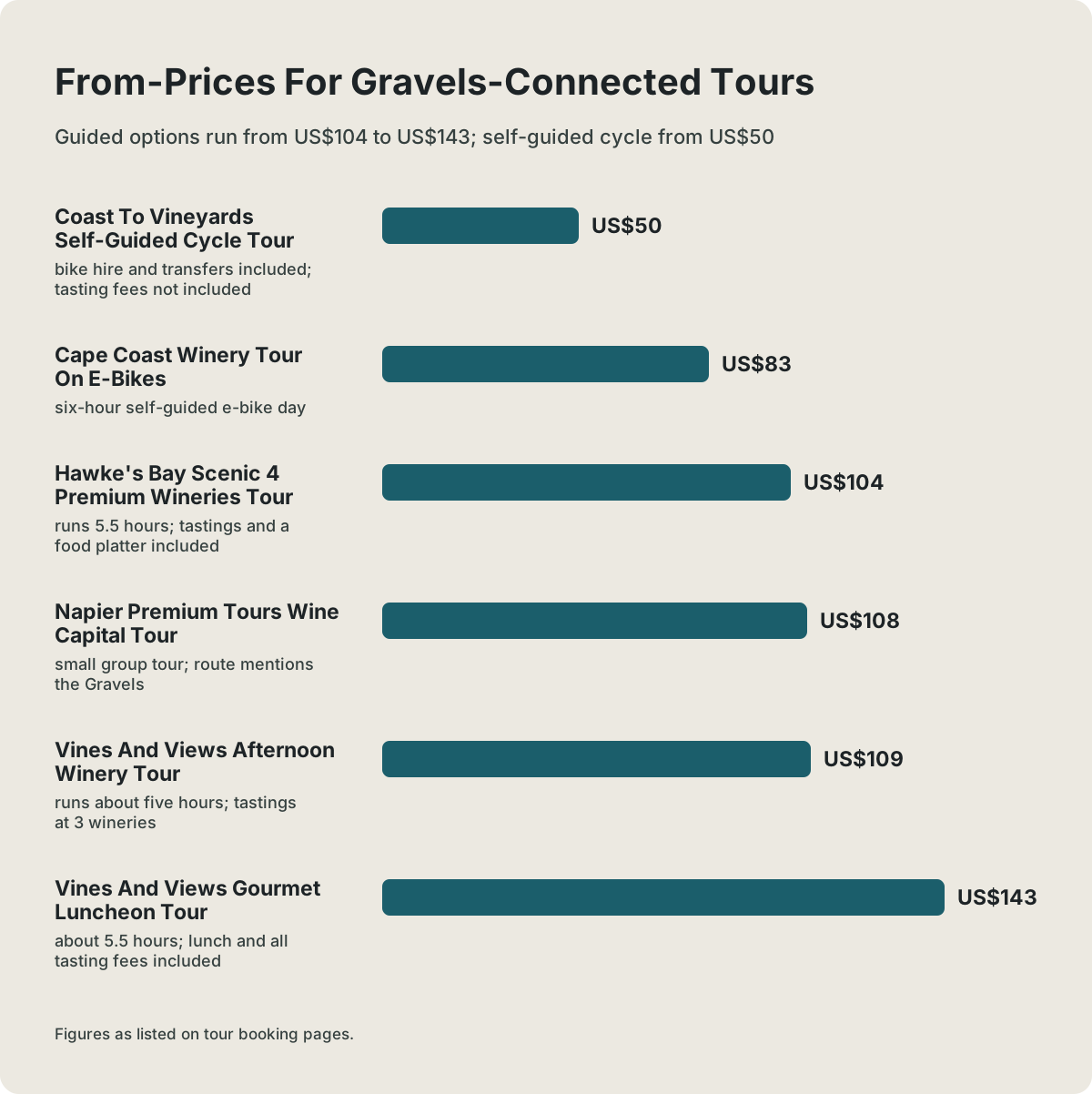
For context on what drives these numbers generally, including where fees, food and transport sit in a tour price, the guide on what a winery tour costs in Hawke's Bay breaks the maths down. The short version as it applies here: a Gravels-connected day costs about the same as any premium Hawke's Bay half day, because the Gravels is minutes from the other cellar doors, not a separate expedition. Nobody charges a premium for the name, and nobody discounts around it either.
Can You Visit The Gravels Without A Guided Tour?
Yes, self-guided options reach the area from US$50 per person by bike, and any cellar door can be visited directly by car or taxi. Two cycle products on this site's roster, from US$50 and from US$83, include bike hire and transfers but not tasting fees, and self-driving means watching New Zealand's alcohol limits, which are zero for drivers under 20.
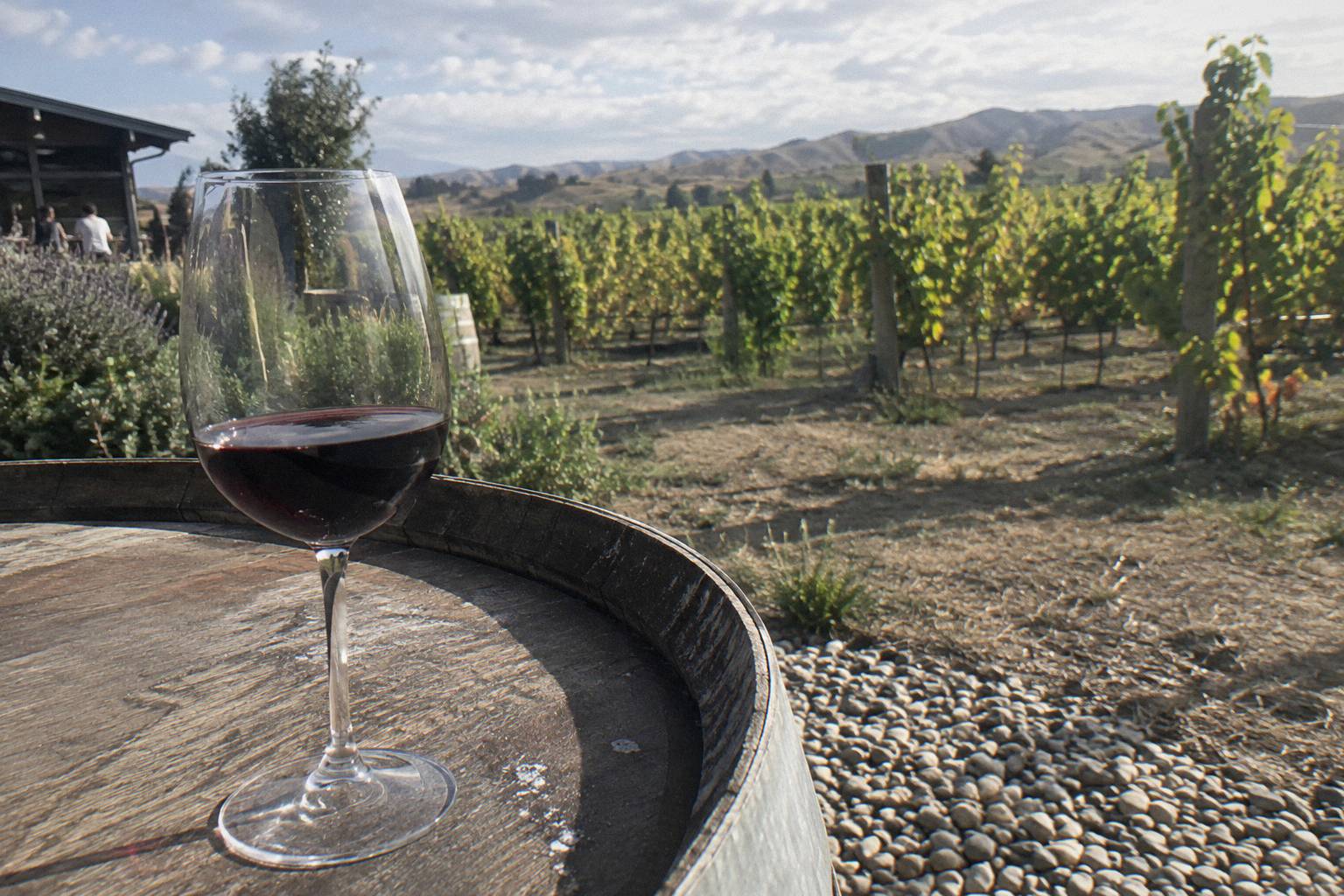
The Coast To Vineyards Self-Guided Cycle Tour, from US$50 per person, 4.9 from 37 reviews, is the lowest from-price on this site's whole roster. It starts at 117 Marine Parade in Napier with an electric or regular bike, helmet, lock, bag, a map with advice, mechanical assistance during the day and return transport to Napier from Black Barn winery at 4:00 PM per the booking page. Tasting fees, food and drinks are not included, and the page says booking lunch or a tasting is recommended and essential on weekends. Its named stops include Askerne Estate, Te Mata Estate, Craggy Range, Black Barn and the Atea a Rangi Star Compass.
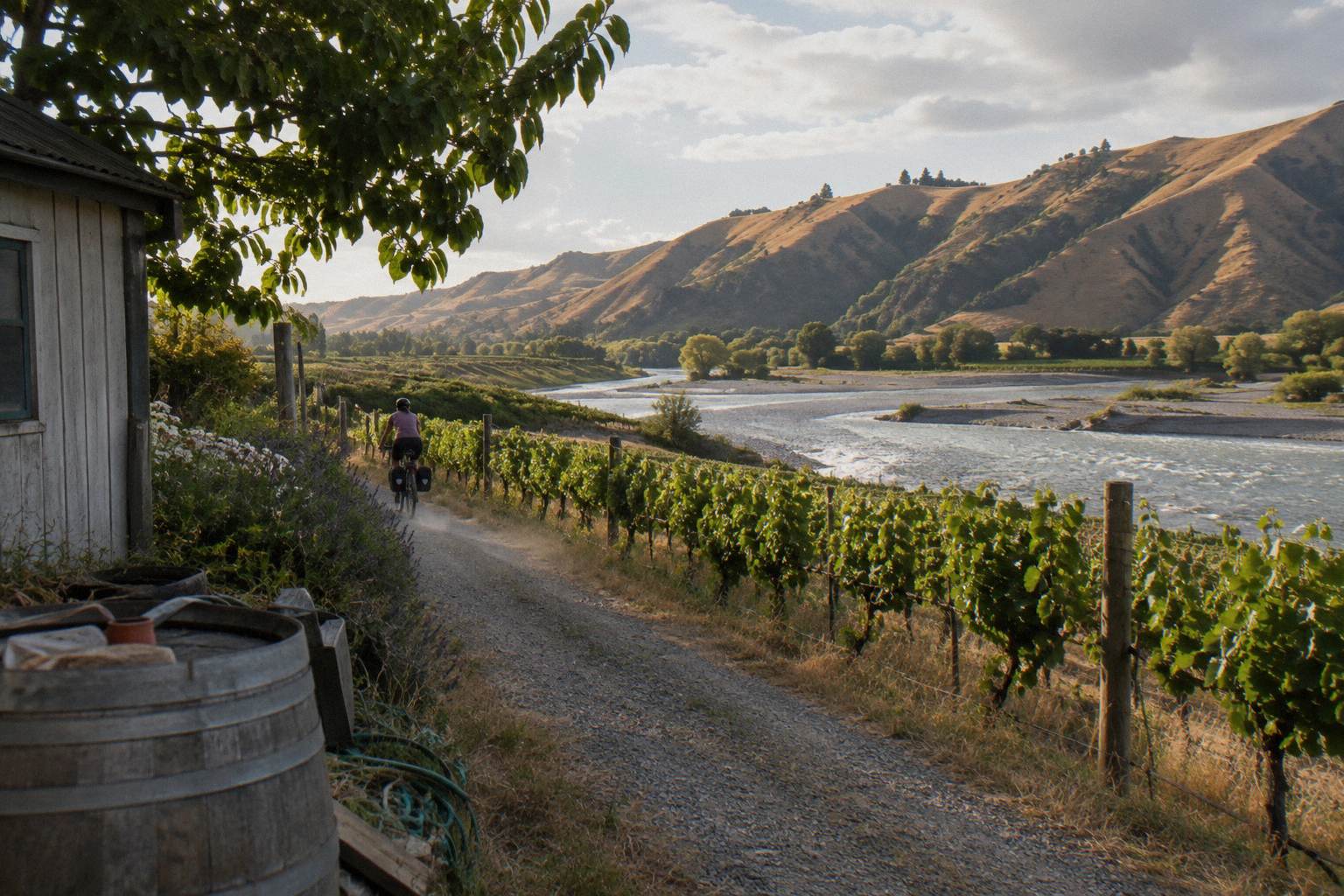
The Cape Coast Winery Tour On E-Bikes, from US$83 per person, 4.8 from 69 reviews, is a six-hour self-guided e-bike day run by Takaro Trails Cycle Tours Hawke's Bay, with a van shuttle leaving 9.50am and a 4pm finish per its page. It lists no tour guide, and its named cape-coast stops, including Te Mata Estate, are optional tasting stops with fees and food not included. Both cycle days lean on Hawke's Bay Trails, a nearly 200km network and one of New Zealand's 23 Great Rides, mostly flat and graded 1-2. Whether that suits you is covered in the guide to planning a Hawke's Bay bike and wine day.
Driving yourself is the third option, and the only rule that really matters is the legal one. New Zealand's limits are 250 micrograms of alcohol per litre of breath or 50 mg per 100 ml of blood for drivers 20 and over, and zero for drivers under 20, per NZTA's alcohol limits page. A tasting does not keep anyone under a limit, and this site never claims it does. The purchase age on licensed premises is 18, and several tour pages, including the Scenic 4 tour, carry an 18 minimum with proof of age possible. A guided tour or a designated driver solves the problem entirely, which is a quiet argument for the tours above that the price table already makes.
What Should You Taste From The Gravels?
Hawke's Bay Winegrowers names Red Blends and Chardonnay as the region's best-known styles, with Syrah, aromatic whites and dessert styles alongside. Trinity Hill, the cellar door listed under the Gravels, is the natural place to chase those styles in person, and its current releases are listed on its own site.
The regional answer and the Gravels answer overlap heavily. The Gravels' reputation, as reflected in tour marketing language and the regional body's style notes, centres on the red end: Syrah and Bordeaux-style red blends. Chardonnay is the region's other flagship and shows up across every sub-region, so a Gravels tasting rarely excludes it. Aromatic whites and dessert styles round out the regional list. For what is currently open to taste, Trinity Hill's own site lists its releases.
| Style named by the regional body | Where to chase it on a Gravels-connected day |
|---|---|
| Red blends | Trinity Hill tasting; the private Icons tour lists Trinity Hill and Church Road |
| Syrah | Trinity Hill tasting; ask the operator which pours are on the flight |
| Chardonnay | Mission Estate, named on both Vines and Views pages |
| Aromatic whites and dessert styles | Ask at the cellar door; tour pages do not list pours |
For a deeper dive into the region's flagship red, the guide to Hawke's Bay Syrah and what to taste covers the style in detail, and the Chardonnay and Bordeaux blends guide handles the other two pillars. Neither promises specific bottles from specific vintages, because flights rotate with releases and neither this site nor the wineries can guarantee a pour in advance.
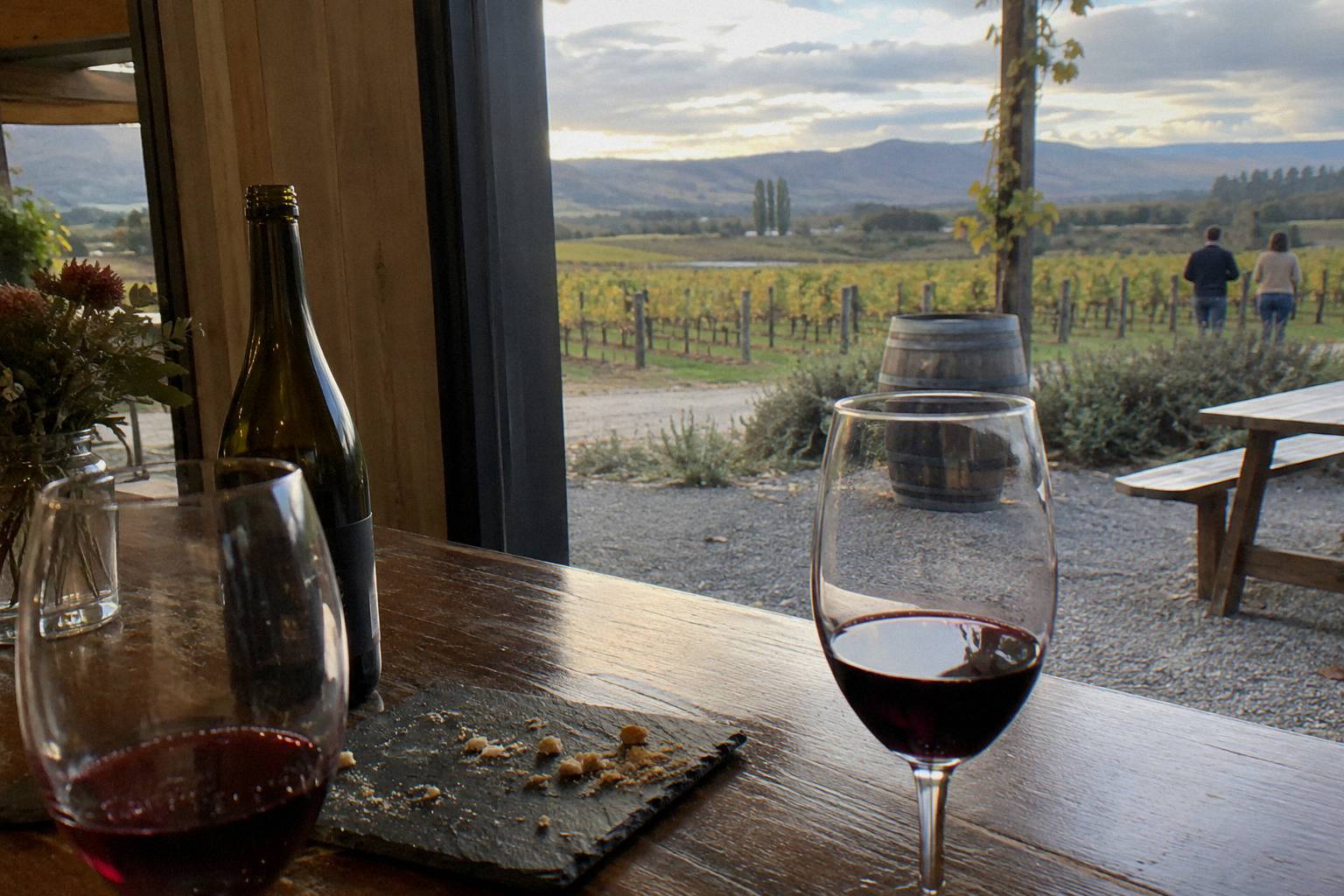
A practical note on tasting structure. The Vines and Views pages schedule 45-minute tastings; the Prinsy's Icons page gives about an hour each at four cellar doors; the Church Road Premium Wine And Food Pairing, from US$122 per person with no printable rating, is a different animal entirely: two hours at the cellar door in Taradale, a guided flight of current-release and back-vintage TOM wines in the underground museum with savoury bites, up to 6 guests, transport not included. If depth at one winery beats breadth across four, that pairing is the format to look at, though it is a Church Road experience rather than a Gravels one.
Private, Small Group Or Half Day For A Gravels Day?
A private tour gets you a written itinerary naming Gravels-connected cellar doors; a small group gets you a fixed route at a lower price; a half day leaves room for Art Deco Napier or Te Mata Peak afterwards. Prinsy's Hawke's Bay Icons Private Tour, 4.9 from 201 reviews, lists Craggy Range, Te Mata Estate, Church Road and Trinity Hill, about an hour each, with admission included.
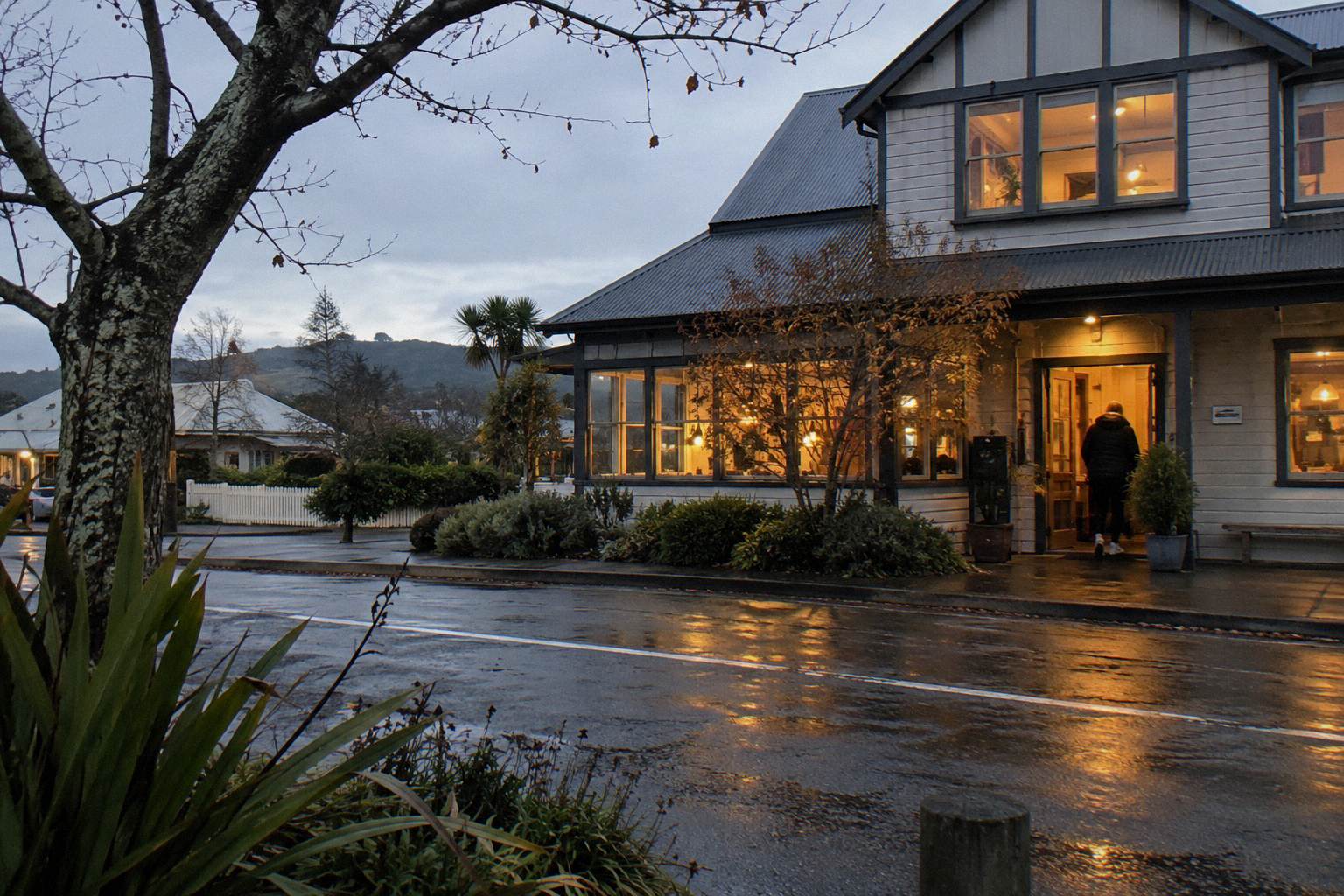
The private option is the only one whose booking page names four cellar doors in sequence. The price is shown on the booking page when you pick a date, lunch is a luxury cheeseboard platter with a full lunch arrangeable but not included, confirmation comes within 48 hours, cancellation is free 24 hours before, and the tour is not wheelchair accessible. That written itinerary is exactly what a Gravels-focused visitor should want: Trinity Hill in print, admission included.
Small groups trade that certainty for price and company. The Wine Capital tour, the Vines and Views pair and the Scenic 4 tour all cap or describe small groups, with the Wine Capital tour at up to 11 and the Prinsy's half-day cheeseboard tour, from US$113 per person, 4.9 from 17 reviews, also up to 11 with door-to-door pickup from selected Napier hotels. The half-day question, covered in the guide on choosing a half-day or full-day winery tour from Napier, mostly answers itself here: nearly every Gravels-connected tour runs three to five and a half hours, so the afternoon or evening is yours.
What fills it? Te Mata Peak, 399 m and drivable to the summit via Te Mata Peak Road with gates closing overnight, is described by Hastings District Council material as the single most significant landscape icon in Hawke's Bay, important to Ngati Kahungunu. The guide on pairing Te Mata Peak with cellar doors lays out a route. Napier's Art Deco quarter, rebuilt after the 1931 earthquake, is the other obvious post-tour hour, and the Hawke's Bay Wine Tour site's cruise-day guide covers it for shore visitors.
When Should You Plan A Gravels Visit?
The cruise season, and with it the busiest shore-excursion period, typically runs October to April, and the regional events calendar puts the Bridge Pa Wine Festival on 23 January 2027 in its 13th year. Cellar door hours shift seasonally, tour pages say programs vary for that reason, and weekend bookings need the most lead time.
Timing affects a Gravels day in three ways. Season: wineries adjust opening days and times, which is exactly why the Vines and Views pages hedge their itineraries, and why summer weekends are both the best weather window and the hardest booking window. Events: the Bridge Pa Wine Festival, which the regional body lists for 23 January 2027, sits in the neighbouring Bridge Pa Triangle and draws crowds across the whole area that weekend. Advance booking: the self-guided cycle page says lunch and tasting bookings are essential on weekends, and guided tours fill in peak season.
| Timing factor | What it means for a Gravels day |
|---|---|
| October to April | Typical cruise and peak visitor season; book guided tours early |
| Late January | Bridge Pa Wine Festival, 13th annual, 23 January 2027; area busy |
| Weekends | Cycle tour page calls lunch and tasting bookings essential |
| Shoulder months | Fewer crowds; some cellar door days and hours reduced |
For the fuller seasonal picture, including what changes outside the peak, the guide on the best time to visit Hawke's Bay wineries works through it month by month. The short Gravels-specific version: because the area is compact and tour routes overlap, a quiet Tuesday in spring can give you the same cellar doors with elbow room at the tasting counter, while a festival Saturday can turn the same stops into a queue.
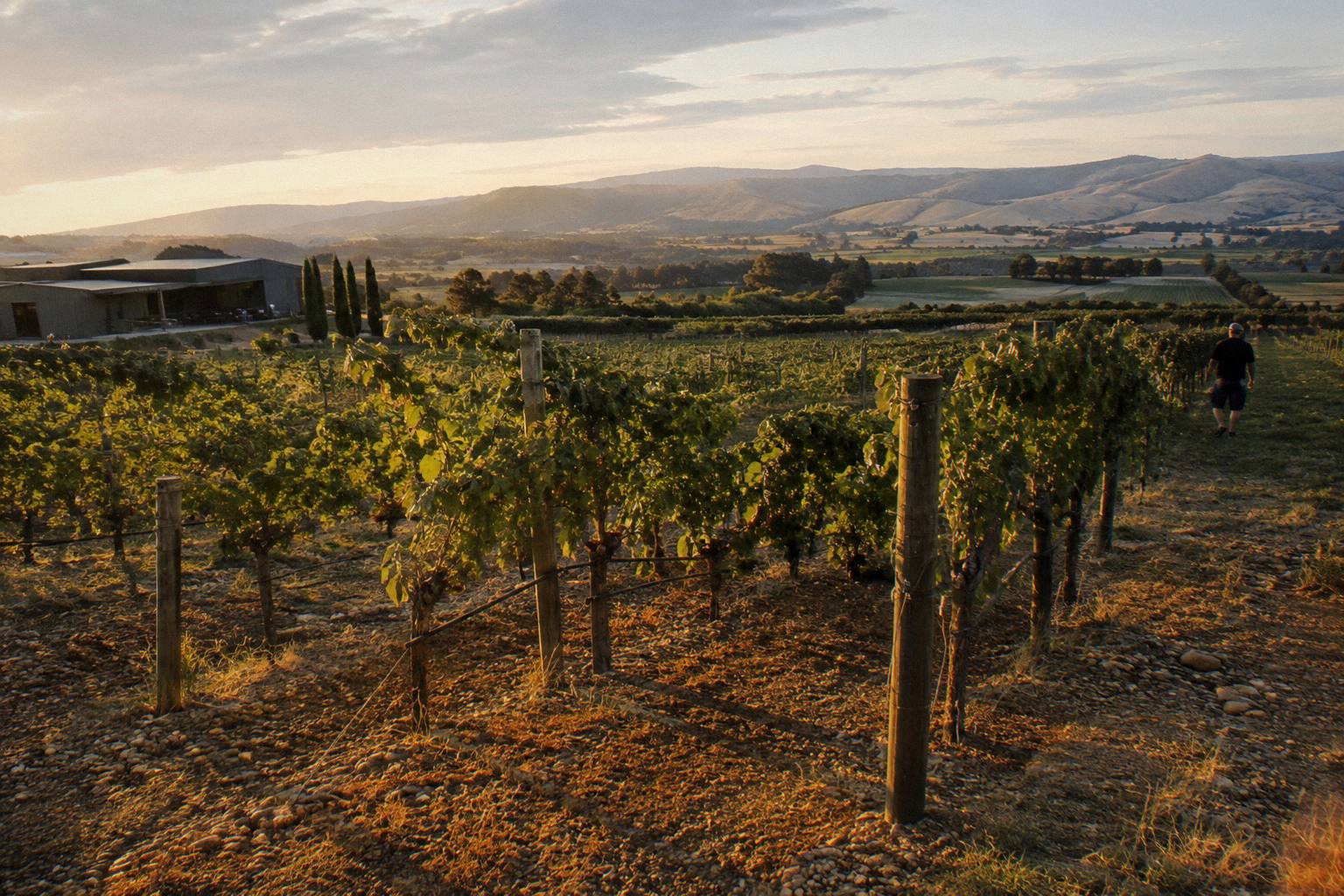
One last planning habit worth adopting: whatever the season, confirm the day's wineries with your operator at booking. The booking pages themselves say programs vary, stops are "up to", and seasonal adjustments happen. A ten-second question at booking time is the difference between a Gravels day you researched and a Gravels day you assumed.
Whichever way you go, the choice among these three comes down to format rather than quality: the small-group Scenic 4 half day with tastings and entrance fees listed from US$104, the Gourmet Luncheon tour with Trinity Hill, lunch and all fees from US$143, or the private Icons itinerary with four named cellar doors and its price shown when you pick a date.
Common Questions About Gimblett Gravels Wineries
What Is The Gimblett Gravels?
It is a named Hawke's Bay growing area used on official regional pages, with Trinity Hill listed under it.
Which Tours Visit The Gimblett Gravels?
Both Vines and Views tours name Gimblett Gravels Road, Napier Premium Tours mentions the Gravels on its route, and the Prinsy's Hawke's Bay Icons Private Tour lists Trinity Hill with admission included. Tour pages hedge with "up to" and "expect", so confirm stops with the operator.
How Much Does A Gimblett Gravels Wine Tour Cost?
Guided tours connected to the Gravels run from US$104 to US$143 per person, and the private Prinsy's Icons tour shows its price on the booking page when you pick a date. Prices vary by date and group size.
Can You Cycle To The Gimblett Gravels Wineries?
Self-guided cycle days from US$50 and US$83 per person use the nearly 200km Hawke's Bay Trails network and name cellar doors including Te Mata Estate and Craggy Range, but tasting fees and food are not included. The purchase age on licensed premises is 18.
Do You Need To Book A Gravels Wine Tour In Advance?
Weekends and the October to April peak fill first, and the cycle tour's page calls weekend lunch and tasting bookings essential. Free cancellation up to 24 hours before applies on several tours, so booking early costs little flexibility.
Can You Drive Yourself To The Gimblett Gravels Cellar Doors?
Yes, but New Zealand's drink-driving limits apply: 250 micrograms per litre of breath or 50 mg per 100 ml of blood for drivers 20 and over, and zero under 20. A guided tour with a driver removes the question entirely.