Hawke's Bay Wine Region Explained For A Winery Tour: Sub-Regions, Grapes And Styles To Taste
French missionaries planted the first vines here nearly 175 years ago, and the region now spans five distinct growing areas, from the Gimblett Gravels to the Te Awanga coast. Here is what that means for the tour you book.
Short answer
Hawke's Bay is New Zealand's second-largest wine region by planted area, about a tenth of the national total, divided loosely into five growing areas. It sits in heat terms between Burgundy and Bordeaux and is best known for red blends and Chardonnay, with Syrah, aromatic whites and dessert styles alongside. Ask any tour which sub-regions and styles the day pours.
French missionaries planted the first vines in Hawke's Bay nearly 175 years ago. The regional winegrowers' own site frames the district as one that "can be loosely divided into five unique growing areas", with heat summations that fall "between Burgundy and Bordeaux", a "long, hot growing season with low rainfall tempered by cool coastal breezes", 25 soil types and 38 varietals on the official count. For a visitor, all of that translates into one practical question: which of those five areas, and which of those 38 grapes, will actually be in your glass on the day. This guide walks through the region as a tour planner sees it, sub-region by sub-region, style by style, and finishes with the questions worth asking an operator before you book. If you are still weighing formats, the private or small group winery day comparison covers that decision separately.
What Is The Hawke's Bay Wine Region?
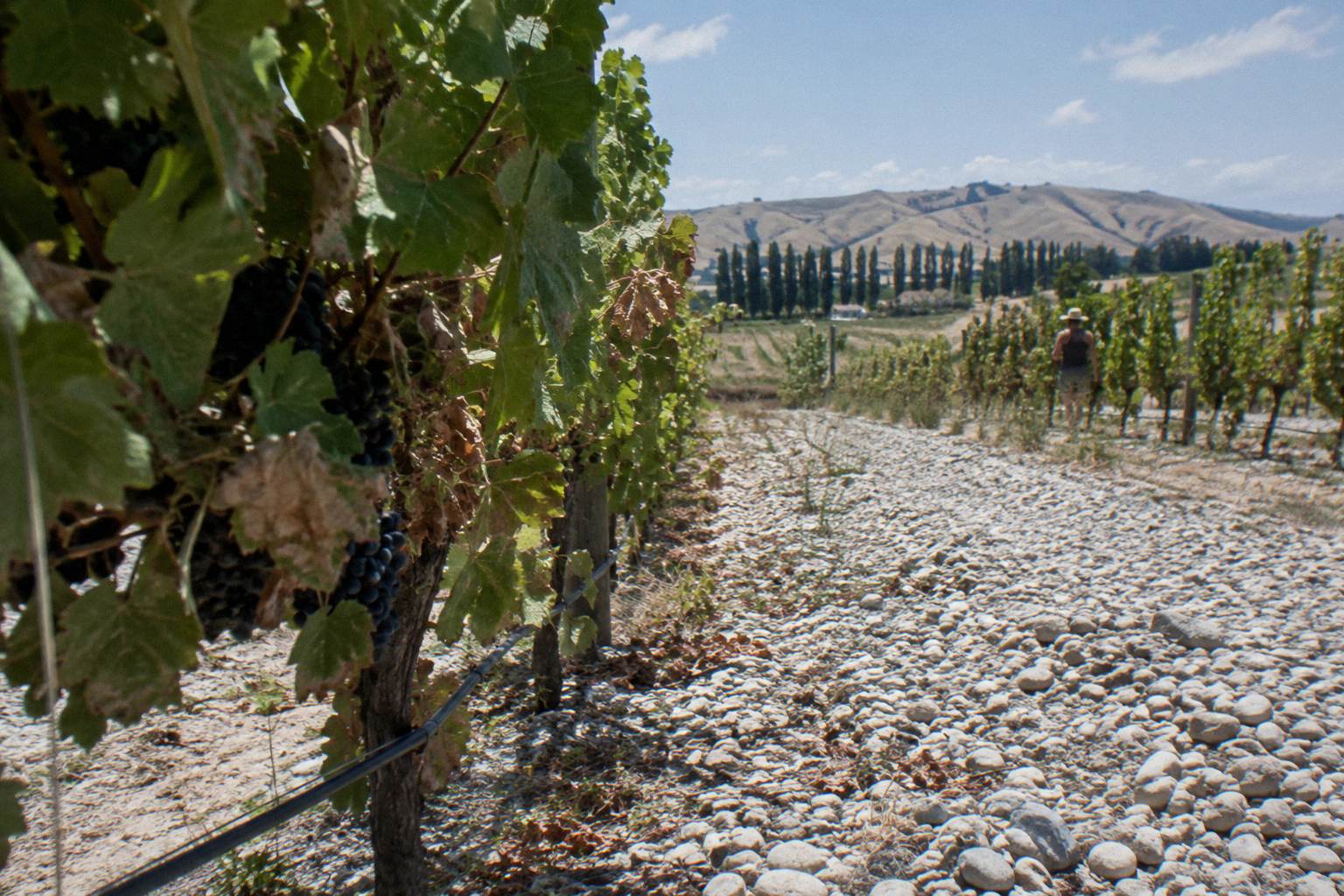
Hawke's Bay is a winegrowing district on the east coast of New Zealand's North Island, holding about a tenth of the country's planted vineyard area according to NZ Winegrowers. Its official body describes five loosely divided growing areas, heat summations between Burgundy and Bordeaux, and a long, hot, low-rainfall growing season tempered by coastal breezes. It is best known for red blends and Chardonnay. Those four facts, all from the region's own pages, are the backbone of everything a tour day can show you. The heat comparison matters more than it first appears: it is why the same district can ripen Bordeaux-style red blends and still keep the freshness Chardonnay needs, and why Syrah here reads as its own thing rather than a copy of a warmer-climate style.
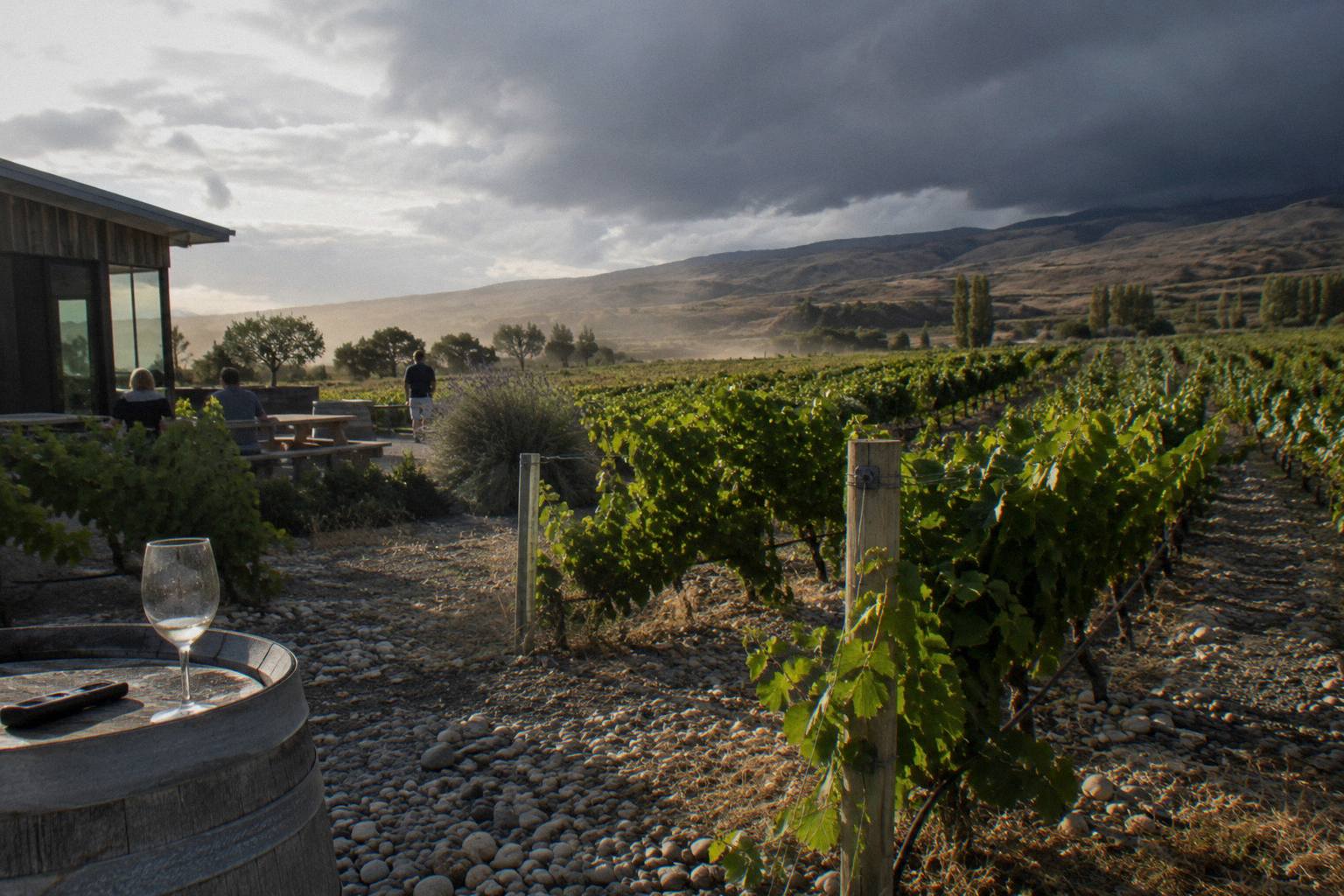
The official Hawke's Bay Winegrowers region page is the source for the five-areas framing and the Burgundy-to-Bordeaux heat band, and it is worth reading before a visit because tour commentary tends to assume it. Nationally, NZ Winegrowers' Hawke's Bay page places the district at roughly a tenth of New Zealand's planted vineyard area and speaks of the "Gimblett Gravels and Bridge Pa Triangle area" on the Heretaunga Plains. Note what the official pages do not say: no winery count, no hectare figure, no vintage calendar. Any number like that in a brochure is somebody's estimate, not an official figure, so take it with a grain of salt.
For a tour, the region's size is a routing question more than a statistics question. The growing areas cluster on and around the Heretaunga Plains, close enough that a five-hour tour can touch several of them, which is exactly what most Napier departures do. That geography is why "which sub-region" is a better question to ask an operator than "which winery", since the winery is usually the operator's call on the day while the sub-region shapes the whole character of the pour.
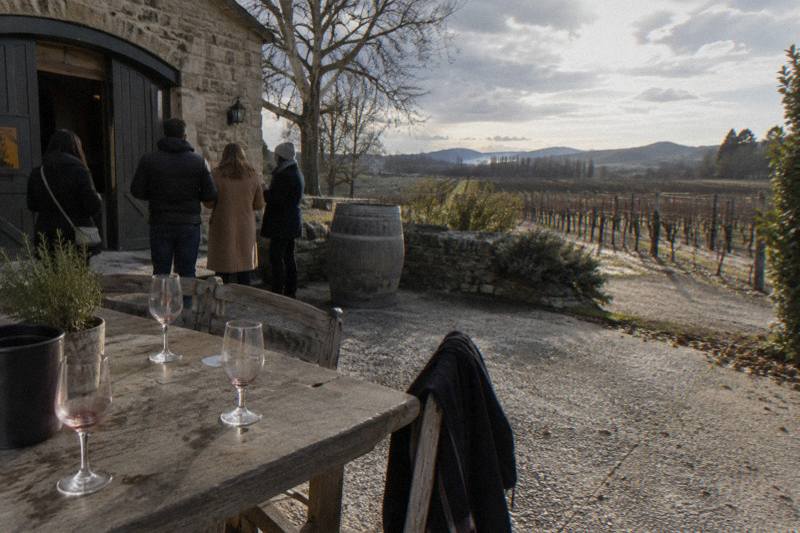
The missionary origin also explains something visitors notice on the ground: the district's cellar doors are not clustered in one valley the way many wine regions are. They spread from the coastal strip at Te Awanga, through the plains around Hastings and Bridge Pa, up to Havelock North under Te Mata Peak, and back toward Taradale on Napier's edge. The 399 m peak itself, which the Hastings District Council calls the single most significant landscape icon in Hawke's Bay and important to Ngati Kahungunu, is drivable to the summit and anchors the Havelock North area. A tour that loops the whole belt gives you the region in miniature, and a tour that stays in one corner still gives you a legitimate slice of it.
Where Are The Five Growing Areas?
The five growing areas named across official pages are the Gimblett Gravels, the Bridge Pa Triangle, Havelock North, Hastings, and the Napier and Taradale belt, with the Te Awanga and Haumoana coast also named on the regional site. The gravels and the Triangle sit on the Heretaunga Plains. Which area a tour visits is rarely stated unless the listing names a winery. That last sentence saves a lot of confusion. A listing that names Craggy Range or Trinity Hill is telling you where you will taste; one that says only "premium wineries" is telling you the operator decides on the day, and the sub-region mix is a question for the booking page's message function or the guide at pickup.
Three examples from the current listings show how the region surfaces in real itineraries. The Vines And Views afternoon tour names Mission Estate, and its grower-guides explain grape growing on Gimblett Gravels Road. The private Prinsy's Icons itinerary lists Craggy Range, Te Mata Estate, Church Road and Trinity Hill, spanning Havelock North, the Taradale belt and the Gimblett Gravels. The Hawke's Bay Scenic 4 Premium Wineries Tour, 4.9 from 16 reviews and from US$104 per person, names no wineries at all, so where it pours is a question for the operator. These are the booking pages' own words, not promises: wineries adjust opening days seasonally and programs vary.
The table below gathers, in one place, what official pages say about each named area and where a current tour listing mentions it. Treat it as a prompt list for your booking questions rather than a guarantee of any stop.
| Growing area | What official pages say | Where a tour line names it |
|---|---|---|
| Gimblett Gravels | A named growing area on the Heretaunga Plains; Trinity Hill is listed under it | Vines And Views tours mention a grower explaining grape growing on Gimblett Gravels Road; Napier Premium Tours calls it "the prestigious Gimblett Gravels" |
| Bridge Pa Triangle | A tagged sub-region on the regional winegrowers' site | The Bridge Pa Wine Festival is held here; no tour listing names a Triangle winery |
| Havelock North | A named growing area at the foot of Te Mata Peak | Prinsy's half-day listing includes a Havelock North tasting stop; Prinsy's Icons lists Te Mata Estate |
| Hastings | A named growing area and local government centre | Winery Tours Hawke's Bay lists Hastings among its free pickup areas |
| Napier and Taradale | Named growing areas on the coastal belt | Vines And Views anchors at Mission Estate; Prinsy's Icons lists the Church Road cellar door in Taradale |
| Te Awanga and Haumoana coast | Named coastal growing area on the regional site | The Cape Coast e-bike listing names Elephant Hill at Te Awanga and Clearview Estate |
One caution: tour listings name the Gimblett Gravels without explaining it, and that is fine. The name is enough. Be wary of any description that attaches precise figures to it. If you want a deeper look at the wineries themselves, the Gimblett Gravels wineries guide and the cellar doors by area directory carry the detail.
It also helps to know which cellar doors sit where, since four of the region's most-visited names keep their own verified facts on their own sites. Craggy Range was founded in 1998, Mission Estate dates from 1851, Te Mata Estate from 1896 and Church Road's winery from 1897, all per the wineries' own pages. No ranking is implied and none should be inferred: these are founding dates, printed plainly, and they explain why tour itineraries lean on them, because each carries a documented story a guide can tell on the drive. The Craggy Range, Mission Estate and Church Road cellar doors guide takes those three in depth.
What Should You Taste First In Hawke's Bay?
The region is best known for red blends and Chardonnay, with aromatic whites, Syrah and dessert styles named alongside them on the official region page. This page names the region's wine styles only, with no tasting notes, flavour descriptors or producer rankings. The practical move is to tell your guide which of those style families you want poured. That is not a hedge, it is how the region's own material reads. Hawke's Bay Winegrowers names the style families and stops there, and a guide who knows the district can pour you a line through red blends, then a Chardonnay, then a Syrah, in a single afternoon if you ask.
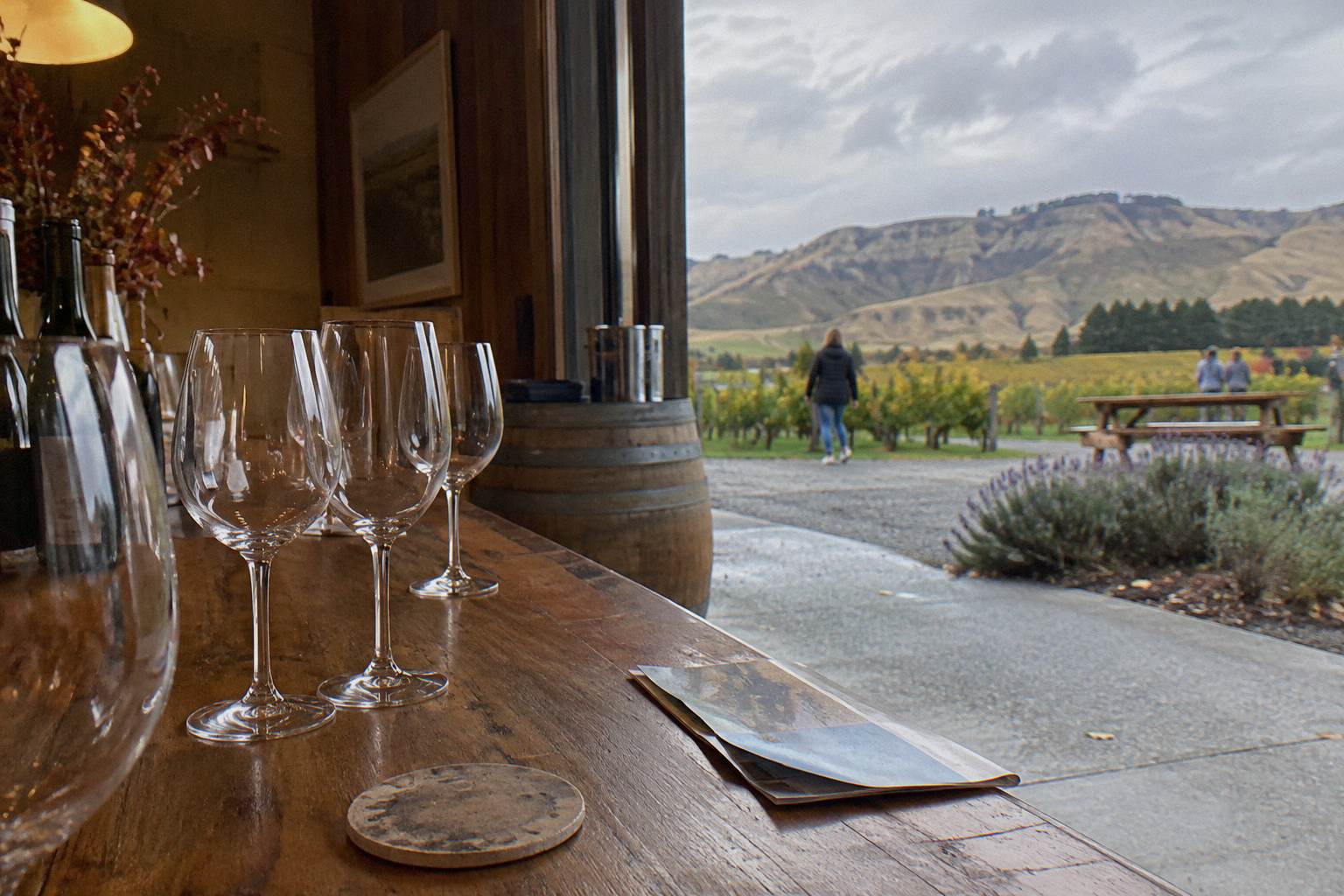
Why the style families matter for routing: red blends and Syrah are the gravels' signature, while the coastal and plains areas pour across a wider spread including the aromatic whites and dessert styles. A tour that touches two sub-regions gives you a natural comparison; a single-wineries morning gives depth instead. Neither is better, they answer different questions, and the format guides cover the trade-off. The pages on Hawke's Bay Syrah and what to taste and on Chardonnay and Bordeaux-style blends take each family in turn.
The style families also give you a script for the cellar door. Rather than asking for "something nice", which hands the choice back to whoever is pouring, name the family and the sub-region in one sentence: a red blend from the gravels, a Chardonnay from anywhere in the district, a Syrah if the list carries one. Guides respond well to that precision, and on small-group days it can steer the whole table's tasting flight. On the private Prinsy's Icons day, where the booking page lists four wineries at about an hour each, that kind of request is exactly what a private format is for. The table below pairs each official style family with the questions that get it poured.
| Official style family | What to ask the guide or cellar door | Which format suits it |
|---|---|---|
| Red blends | "Which red blend are you pouring from the gravels area?" | Any small-group or private driving day |
| Chardonnay | "Can we start with a Chardonnay before the reds?" | Afternoon tours such as the Vines And Views 5-hour loop |
| Aromatic whites | "Do you carry an aromatic white, and is it from a coastal site?" | Multi-winery days that reach the Te Awanga coast |
| Syrah | "Is a Hawke's Bay Syrah on the flight today?" | Private tours, where the pour list bends to your group |
| Dessert styles | "Do you finish with a dessert style?" | Luncheon tours with a seated final tasting |
A word on tasting fees, once, since every format treats them differently. Most cellar doors charge a tasting fee, often refunded on purchase, and fees change often enough that no figure belongs in print. Some tours fold all tasting fees into the ticket: the Winery Tours Hawke's Bay half-day lists "all tasting fees" and the beer-or-cider tasting tour lists all fees and entrance fees, while both self-guided cycle options exclude them. Checking the inclusions line on the listing is a thirty-second job that decides your day's real budget, and the wine tasting fees explained page covers the pattern in full.
Which Tours Name Wineries, And Which Decide On The Day?
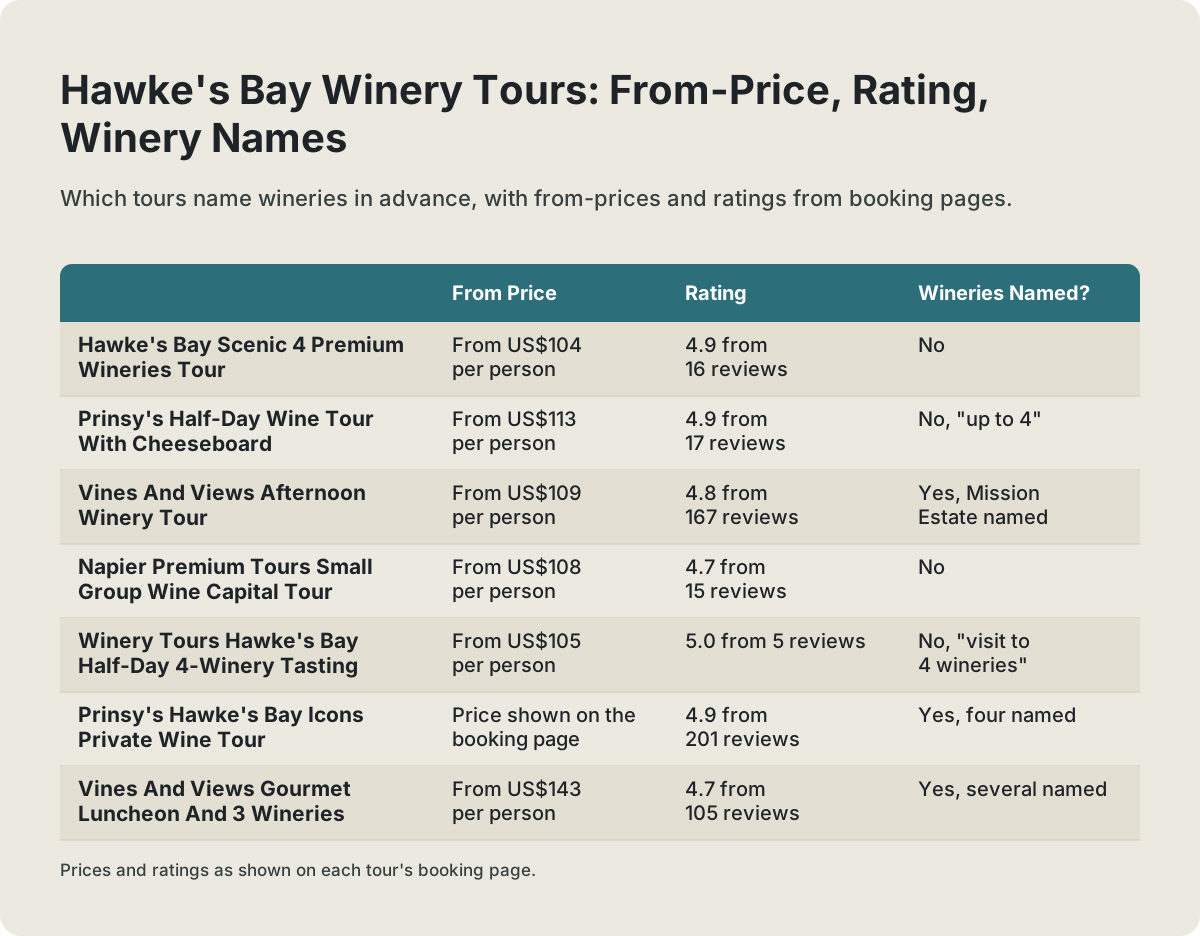
Roughly half the current listings name wineries and half do not. Listings that name stops include both Prinsy's private tours, the Vines And Views pair, the e-bike and cycle days and the Mates Travel port tour; listings that leave the choice to the operator include the Hawke's Bay Scenic tours, Prinsy's half-day and the Winery Tours Hawke's Bay group day. The distinction is not a quality marker. Operators who run daily small-group loops often hold the winery list until the morning because cellar doors shift opening days seasonally, and the Vines And Views listing says exactly that about its own program.
| Listing | Names wineries on the booking page? | Stated from-price and rating |
|---|---|---|
| Hawke's Bay Scenic 4 Premium Wineries Tour | No | From US$104 per person, 4.9 from 16 reviews |
| Prinsy's Half-Day Wine Tour With Cheeseboard | No, "up to 4" | From US$113 per person, 4.9 from 17 reviews |
| Vines And Views Afternoon Winery Tour | Yes, Mission Estate named | From US$109 per person, 4.8 from 167 reviews |
| Napier Premium Tours Small Group Wine Capital Tour | No | From US$108 per person, 4.7 from 15 reviews |
| Winery Tours Hawke's Bay Half-Day 4-Winery Tasting | No, "visit to 4 wineries" | From US$105 per person, 5.0 from 5 reviews |
| Prinsy's Hawke's Bay Icons Private Wine Tour | Yes, four named | Price shown on the booking page, 4.9 from 201 reviews |
| Vines And Views Gourmet Luncheon And 3 Wineries | Yes, several named | From US$143 per person, 4.7 from 105 reviews |
If knowing your cellar doors in advance matters to you, the private itineraries are the clearest. The Prinsy's Icons booking page lists Craggy Range, Te Mata Estate, Church Road and Trinity Hill at about an hour each with admission included, 4.9 from 201 reviews, with the price shown on the booking page when you pick a date. On the Vines And Views gourmet luncheon day, the listing includes a restaurant lunch with a glass of wine, tastings, Pask Estate, Trinity Hill and a cheese board at Trinity Hill or Askerne, all from US$143 per person. Prices vary by date and group size and are confirmed on the live listing.
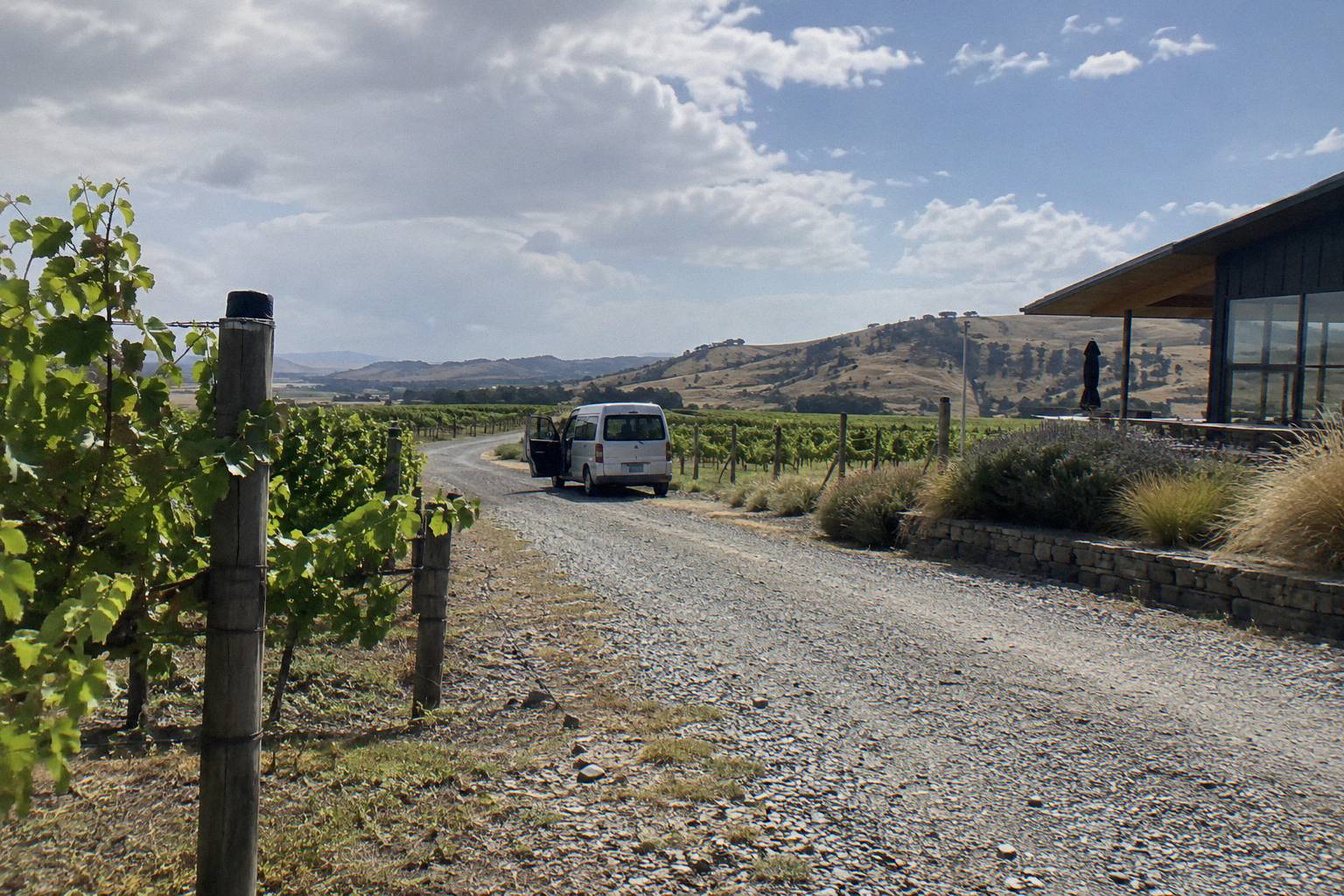
The group-size question follows from the winery question. Tours capped at 11, like Prinsy's half-day and the Napier Premium Tours Wine Capital loop, keep the cellar-door conversation intimate; the Winery Tours Hawke's Bay day runs groups of up to 26 with pickup across Hastings, Havelock North, Clive, Napier and Taradale, which is why it can hold its price at from US$105 per person with all tasting fees included. That tour needs a minimum of two bookings to run, with a full refund if it does not, and online bookings close at 8am on the day. The half-day or full-day from Napier guide works through the timing side of the same choice.
The single-winery option deserves a mention here because it inverts the whole logic of the page. The Church Road Premium Wine And Food Pairing, from US$122 per person for two hours, skips the driving entirely: a guided flight of current-release and back-vintage wines in the winery's underground museum with savoury bites, for up to 6 guests, at the cellar door on 150 Church Road, Taradale. Transport to the location is not included. It is the one product in the roster with no driver at all, and for a reader whose real interest is depth over distance, one sub-region tasted thoroughly can beat five skimmed.
Can You See The Region By Bike Instead?
Yes, and the region is built for it: the Hawke's Bay Trails network offers nearly 200 km of mostly flat, easy path and is one of New Zealand's 23 Great Rides. Two self-guided winery days ride it, from US$50 and from US$83 per person, both excluding tasting fees and food. Neither has a guide, so the sub-regions you cover are the ones you pedal.
The Coast To Vineyards cycle day from Napier City Bike Hire & Tours, 4.9 from 37 reviews and from US$50 per person, hands you a bike, helmet, lock, bag, a map with advice, mechanical assistance through the day and a 4pm return transport from Black Barn. The booking page names Askerne Estate, Te Mata Estate, Craggy Range, Black Barn and the Atea a Rangi Star Compass as stops, and says booking lunch or a tasting is recommended and essential on weekends. The Cape Coast e-bike day from Takaro Trails, 4.8 from 69 reviews and from US$83 per person, shuttles you out at 9.50am and lists optional tastings at Clearview Estate, Elephant Hill, Askerne Estate, Te Mata Estate and Black Barn, ending at 4pm. The official trails ride pages give the loop distances, and the site's own bike and wine day guide plans a full route.
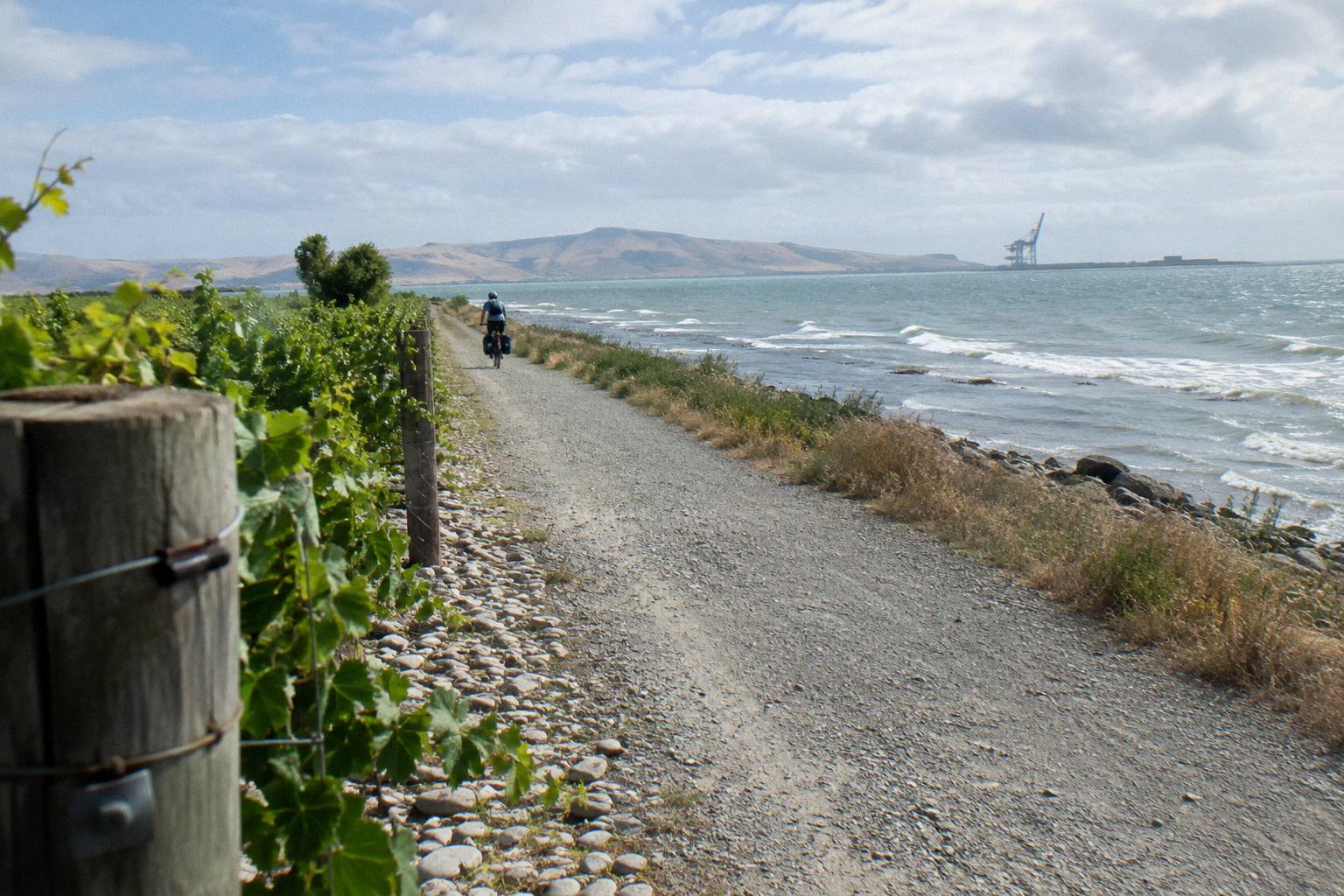
The cycling option is also the honest answer to the drink-driving question. New Zealand's limits for drivers 20 and over are 250 micrograms of alcohol per litre of breath or 50 mg per 100 ml of blood, and the limit for drivers under 20 is zero, per the NZ Transport Agency's limits page. No official source claims a tasting leaves anyone under a limit, so the safe pattern is a tour driver, a private driver or a bike. The purchase age on licensed premises is 18, and several listings, including both Hawkes Bay Scenic Tours products, set a minimum age of 18 with proof of age possibly requested.
Between the two bike days the choice is really about geography. The Coast To Vineyards route runs from the coast inland toward Havelock North and Bridge Pa country, finishing at Black Barn; the Cape Coast loop stays on the Te Awanga and Haumoana strip before heading inland to Te Mata Estate. Pick the strip you want to taste and the route picks itself. Bring sunscreen and water, wear comfortable clothes, as the e-bike listing advises, and remember that both days are self-guided: the wineries do the explaining, not a guide.
When Is The Best Time To Tour The Region?
The cruise season typically runs from October to April, per Napier Port's own cruise page, and both regional festivals fall in high summer: the Bridge Pa Wine Festival on 23 January 2027 in its 13th year, and the Art Deco Festival in Napier over 18 to 21 February 2027. Cellar doors adjust opening days seasonally, so shoulder months mean fewer crowds and more varied tour programs. The port page is explicit that ships call from October to April every year; shore-excursion winery tours are typically tied to that window, and the Napier cruise ship winery day guide covers the port logistics in detail.
For land-based visitors, the seasonal logic runs the other way: the long, hot, low-rainfall growing season that the official site describes makes summer the reliable-touring season, but it is also when cellar doors are busiest and weekend cycle-day bookings become, in one listing's words, essential. Autumn brings the Art Deco Festival crowds in February's wake. The best time to visit Hawke's Bay wineries guide weighs the months against each other, and the winery events and festivals page tracks the calendar.
Whatever the month, the region rewards a day that mixes sub-regions rather than repeating one. A morning in the gravels and an afternoon on the coast, or a Taradale cellar door followed by a Havelock North tasting, shows more of what "between Burgundy and Bordeaux" means than any single stop can. The Vines And Views Gourmet Luncheon day, 4.7 from 105 reviews and from US$143 per person, is built exactly on that mix, with lunch at the Mission Estate restaurant and a cheese board later at Trinity Hill or Askerne.
One last planning note on where you are staying. Several tours pick up from Napier accommodation, including the Hawke's Bay Scenic 4 Premium Wineries Tour, while others meet at fixed points like the Napier i-SITE on Marine Parade or 100 Marine Parade, and the Winery Tours Hawke's Bay day collects across five towns. If you are based in Hastings or Havelock North rather than Napier, the winery tours from Havelock North and Hastings guide lists the operators that collect there, and the how to reach the wineries without a car post covers the self-drive alternatives. This site, Hawke's Bay Wine Tour, keeps a page for each of those decisions.
Common Questions About The Hawke's Bay Wine Region
What Is The Hawke's Bay Wine Region Known For?
Officially, red blends and Chardonnay, with aromatic whites, Syrah and dessert styles named alongside them. The regional body describes heat summations between Burgundy and Bordeaux and a long, hot growing season with low rainfall tempered by coastal breezes.
How Many Growing Areas Does Hawke's Bay Have?
The official regional site says the district "can be loosely divided into five unique growing areas". Named areas across official pages include the Gimblett Gravels, the Bridge Pa Triangle, Havelock North, Hastings, Napier and Taradale, and the Te Awanga and Haumoana coast.
What Should I Taste First In Hawke's Bay?
Start with a red blend and a Chardonnay, the two families the region is best known for, then ask for a Syrah. Tell your guide which style families you want poured, since no verified source states tasting notes or producer rankings.
Do Winery Tours In Hawke's Bay Visit The Gimblett Gravels?
Some do: the Vines And Views listings mention a grower explaining grape growing on Gimblett Gravels Road, and Napier Premium Tours calls it "the prestigious Gimblett Gravels". Others name no wineries, so ask the operator before booking which sub-regions the day pours.
How Big Is The Hawke's Bay Wine Region?
NZ Winegrowers puts it at about a tenth of New Zealand's planted vineyard area. No official hectare figure or winery count is verified, so treat any specific number in a brochure with caution.
Can You Tour Hawke's Bay Wineries By Bike?
Yes. The Hawke's Bay Trails network offers nearly 200 km of mostly flat path and is one of New Zealand's 23 Great Rides, and two self-guided winery days ride it, from US$50 and from US$83 per person, with tasting fees paid at each cellar door.