Chardonnay And Bordeaux Blends On A Hawke's Bay Winery Tour: Tasting Notes For The Day
Hawke's Bay is best known for Chardonnay and red blends, and most tours pour both in a single afternoon. Here is what those names actually mean on a tasting day, and which tour formats give you the best shot at comparing them side by side.
Short answer
Hawke's Bay is officially best known for red blends and Chardonnay, with aromatic whites, Syrah and dessert styles also produced. A half-day driving tour from US$104 to US$143 per person pours both headline styles across three or four stops, while the Church Road pairing (from US$122) goes deep on one cellar's flights over 2 hours.
Hawke's Bay Winegrowers describes the region in one clean sentence: it is best known for red blends and Chardonnay, and also produces aromatic whites, Syrah and dessert styles. That single line is the most useful thing you can read before a tasting day, because it tells you what to ask for at every cellar door on the route. The region's official body also notes heat summations "between Burgundy and Bordeaux", a long, hot growing season with low rainfall tempered by cool coastal breezes, and French missionaries planting the first vines nearly 175 years ago.
What it does not tell you is how the two headline styles behave differently across a tasting day. Chardonnay is a single grape, poured at most stops in the region. "Red blends" is a family of wines, and the way a cellar door pours them, next to a Syrah or alongside a dessert pour, changes what you learn. This guide walks through what the style names mean for the day, which tour formats let you taste more than one style in the same afternoon, and exactly what to ask a guide to pour. It draws only on official regional wording and on what the booking pages themselves list.
What Is Hawke's Bay Best Known For In Wine?
Hawke's Bay is officially best known for red blends and Chardonnay, with aromatic whites, Syrah and dessert styles also named by the regional wine body. The region holds about a tenth of New Zealand's planted vineyard area, and its heat summation sits between Burgundy and Bordeaux, which is why both a white and a red style lead the region at the same time.
That combination is unusual. Many wine regions lead with one style and tolerate a second. Here the official description lists two headline styles first and the rest after, and the growing conditions explain it: enough heat for red grapes to ripen fully, enough coastal moderation for white grapes to keep their character. The official site also cites 25 soil types and 38 varietals across a region that can be loosely divided into five unique growing areas, so the same grape can taste structurally different from one area to the next even before vintage variation enters the picture.
For a visitor, the practical reading is this: you do not have to choose between a white day and a red day. A standard half-day tour with three or four stops will pour Chardonnay somewhere and a red blend somewhere else, usually at different cellar doors. If you want to read more background on how the region is laid out, our guide to the Hawke's Bay wine region and its growing areas covers the sub-regions in detail, and the Gimblett Gravels wineries guide explains the warm gravel zone where much of the region's red fruit is grown.
| Style (official wording) | What it is, by name only | Where it typically appears on a tour |
|---|---|---|
| Red blends | A wine made from more than one red grape variety | Most stops on a driving route; often the pour the cellar door is built around |
| Chardonnay | A single white grape variety | Nearly every cellar door in the region |
| Syrah | A single red grape variety | A frequent second red pour alongside the blend |
| Aromatic whites | White varieties in the aromatic family | Common opening pours at cellar doors |
| Dessert styles | Sweet wines | Often the final pour at a stop, in small measures |
One honest limit up front, said once and then set aside: producer-level tasting notes, flavour descriptors, vintages and scores are not published here. Ask the guide. Everything below is built from what is official and what each booking page lists, which turns out to be plenty for planning a day.
Why Does One Region Ripen Both A Chardonnay And A Red Blend?
The official regional description puts Hawke's Bay's heat summation between Burgundy and Bordeaux, with a long, hot growing season, low rainfall and cool coastal breezes. In plain terms, the region is warm enough to ripen red blend grapes fully and cool enough at the edges to keep white varieties interesting, which is why both styles lead the official list.
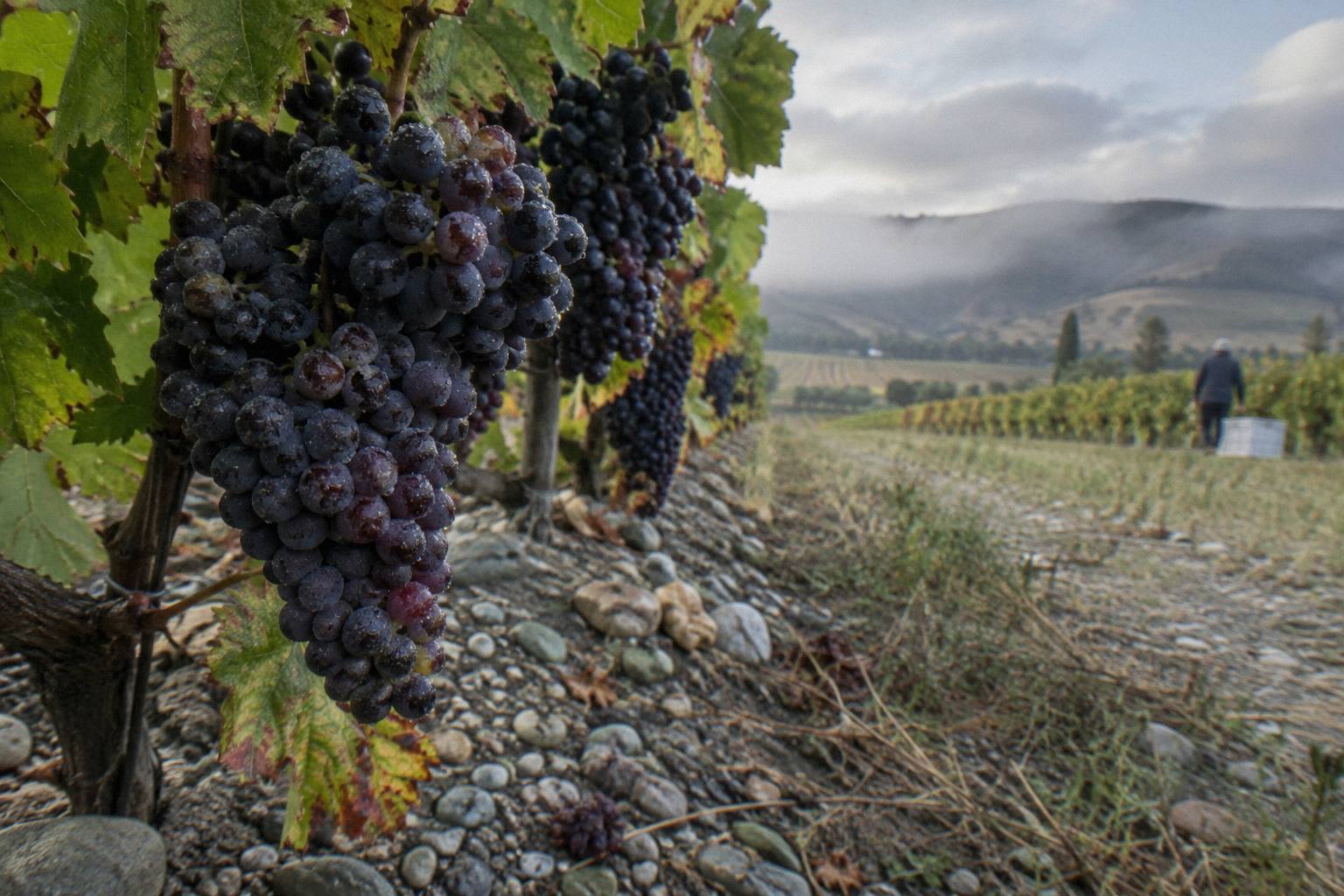
Heat summation is a measure of accumulated warmth across the growing season, and the regional body's own comparison is to two famous French reference points: one associated with fine white wine, one with structured reds. Hawke's Bay sits between them. The practical consequence for a tasting day is that you can taste both a Chardonnay and a red blend poured within the same hour, at cellar doors that sit a short drive apart, and both will be central to what that producer does rather than a sideline.
The five growing areas sharpen this. The regional body's plan-your-visit pages name Gimblett Gravels, the Bridge Pa Triangle, Havelock North, Hastings and Napier/Taradale, plus the Te Awanga and Haumoana coast, and NZ Winegrowers describes the Gimblett Gravels and Bridge Pa Triangle area within the Heretaunga Plains. A tour that crosses from the coast inland moves through visibly different country, and several tours in the region build their routes around exactly that gradient. The Vines And Views tours, for example, both include a retired grower explaining grape growing on Gimblett Gravels Road, per their booking pages.
If you are weighing guided versus independent tasting on that terrain, our piece on whether a guided wine tour is worth it in Hawke's Bay sets out the trade-offs, and there is a further practical reason to hand the driving over: New Zealand's alcohol limits. Drivers aged 20 and over are limited to 250 micrograms per litre of breath or 50 mg per 100 ml of blood, and drivers under 20 face a zero-alcohol limit, per NZTA's official limits page. A tasting day is not a day to test that arithmetic. Use a tour driver.
Choosing a format is the real decision, and three tours frame it well. A multi-stop half day pours both styles at several cellar doors, a single-winery pairing goes deep on one cellar's flights, and an afternoon small-group run pairs the tastings with a cheese board and a souvenir glass.
The rest of this guide looks at each in turn, because the right answer depends on whether you want breadth of styles or depth in one cellar.
Which Tour Formats Let You Taste More Than One Style?
A multi-stop driving tour pours both headline styles across three or four cellar doors in five to six hours; a single-winery pairing pours several flights from one cellar in two hours; a food-led tour trades one stop for a restaurant lunch. Breadth of styles favours the driving loop; depth within one producer's range favours the pairing.
The Hawke's Bay Scenic 4 Premium Wineries Tour is the breadth play. It runs 5.5 hours with pickup from Napier accommodation, from US$104 per person, rated 4.9 from 16 reviews, and the booking page lists all tour costs, tastings, entrance fees and a food platter or semi-pizzas, with a minimum age of 18 because New Zealand's purchase age on licensed premises is 18. The booking page names no wineries, so the specific cellar doors are the operator's call on the day, but four stops in a region where nearly every cellar door pours Chardonnay makes it very likely you will meet both headline styles, in different settings, with a guide between them.
That tour also illustrates a point that recurs across the region's tours: what is included matters more than the headline price. Tasting fees are included here, as they are on several competitors, while on the self-guided cycling days they are not, which can change the real cost of a day considerably. Our guide on tasting fees at Hawke's Bay cellar doors explains the general pattern: most cellar doors charge a tasting fee, often refunded on purchase.
The Vines And Views Afternoon Winery Tour takes the same breadth idea and adds an anchor stop. It runs about 5 hours from Napier, from US$109 per person, rated 4.8 from 167 reviews, and the booking page lists tastings at 3 wineries, pickup and drop-off, a guide, a New Zealand cheese board, bottled water and a Mission Estate branded wine glass souvenir. The booking page names Mission Estate as the tour's anchor, which the winery's own site dates to 1851, and notes the program may vary a little because wineries adjust opening days and times seasonally. That seasonality note is worth reading literally: cellar doors shift their days, and tours adjust rather than cancel.
| Format | Tour example (from-price) | Styles exposure | Food on the booking page |
|---|---|---|---|
| Multi-stop small-group drive | Scenic 4 Premium, from US$104 per person | Both headline styles, four stops | Platter or semi-pizzas |
| Afternoon anchor-stop drive | Vines And Views Afternoon, from US$109 per person | Both headline styles, three stops | Cheese board |
| Single-winery pairing | Church Road Pairing, from US$122 per person | Several flights from one cellar | Savoury bites throughout |
| Food-led lunch day | Vines And Views Gourmet Luncheon, from US$143 per person | Tastings plus a restaurant lunch | Luncheon platter with a glass of wine |
| Beer or cider mixed day | Scenic Wine With Beer Or Cider, from US$108 per person | Wine plus a brewery stop | Cheese platter or pizzas |
A mixed day deserves its own line in that table because it answers a real group problem: not everyone in a party wants a full day of wine. The Hawke's Bay Premium Wine Tasting With Beer Or Cider runs about 5.5 hours from 100 Marine Parade, from US$108 per person, rated 5.0 from 7 reviews, a small review count worth reading as what it is. The booking page lists all tasting and entrance fees, four drinks per person including beer or cider at a local brewery, and a cheese platter or pizzas subject to availability, with a minimum age of 18.
Should You Go Deep At One Winery Instead?
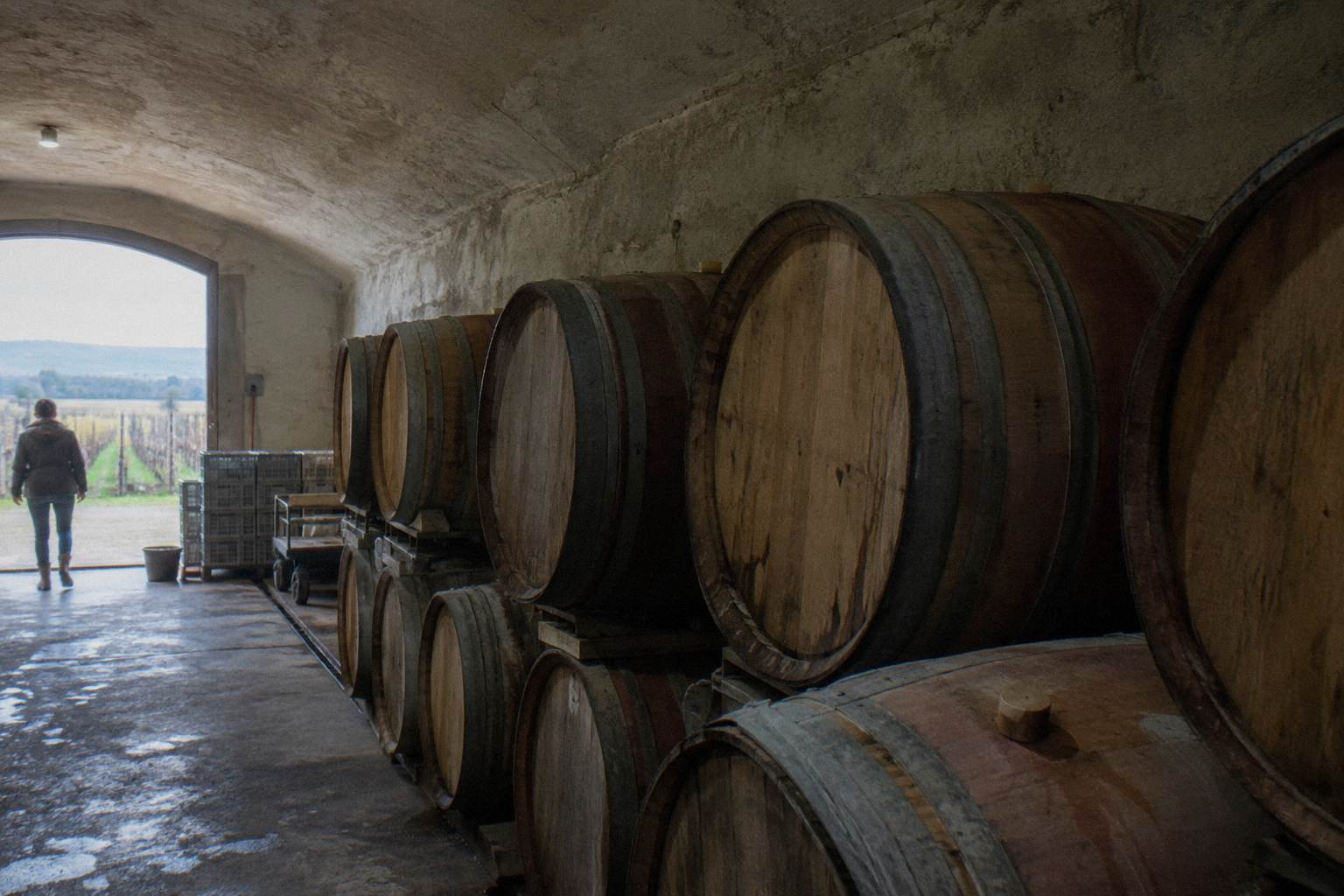
Yes, if comparing vintages and flights from a single cellar appeals more than driving between cellar doors. The Church Road Premium Wine And Food Pairing spends 2 hours at the Taradale cellar door with up to 6 guests, pouring current-release and back-vintage flights with savoury bites, from US$122 per person, and transport to the location is not included.
This is the tour with no driver, and that is the whole point. It is hosted in Church Road's underground museum, per the booking page, which lists an expert-guided flight of current release TOM wines, back vintage TOM wines from the cellar, and complementary savoury bites throughout. For a reader learning the styles, this format does something a driving tour cannot: it holds the producer constant and lets the wine vary, including across vintages, which is the fastest way to understand what age does to a style. The winery's own site records it as established in 1897, and Church Road sits at 150 Church Road in Taradale, close enough to Napier to reach without a tour vehicle.
The trade-off is plain. You taste one cellar's range instead of four cellar doors' ranges, and you arrange your own way there. Dietary requirements are handled by message after booking. If your group wants both experiences, the pairing slots neatly into a morning before an afternoon activity, or into a day when a longer drive does not suit.
For a fuller picture of the cellar doors a driving tour might reach, including Craggy Range, Mission Estate and Church Road, see our guide to the Craggy Range, Mission Estate and Church Road cellar doors. Each of the three has a restaurant on site, per their own pages, which matters when you are planning where a day's food comes from.
What Should You Ask The Guide To Pour?
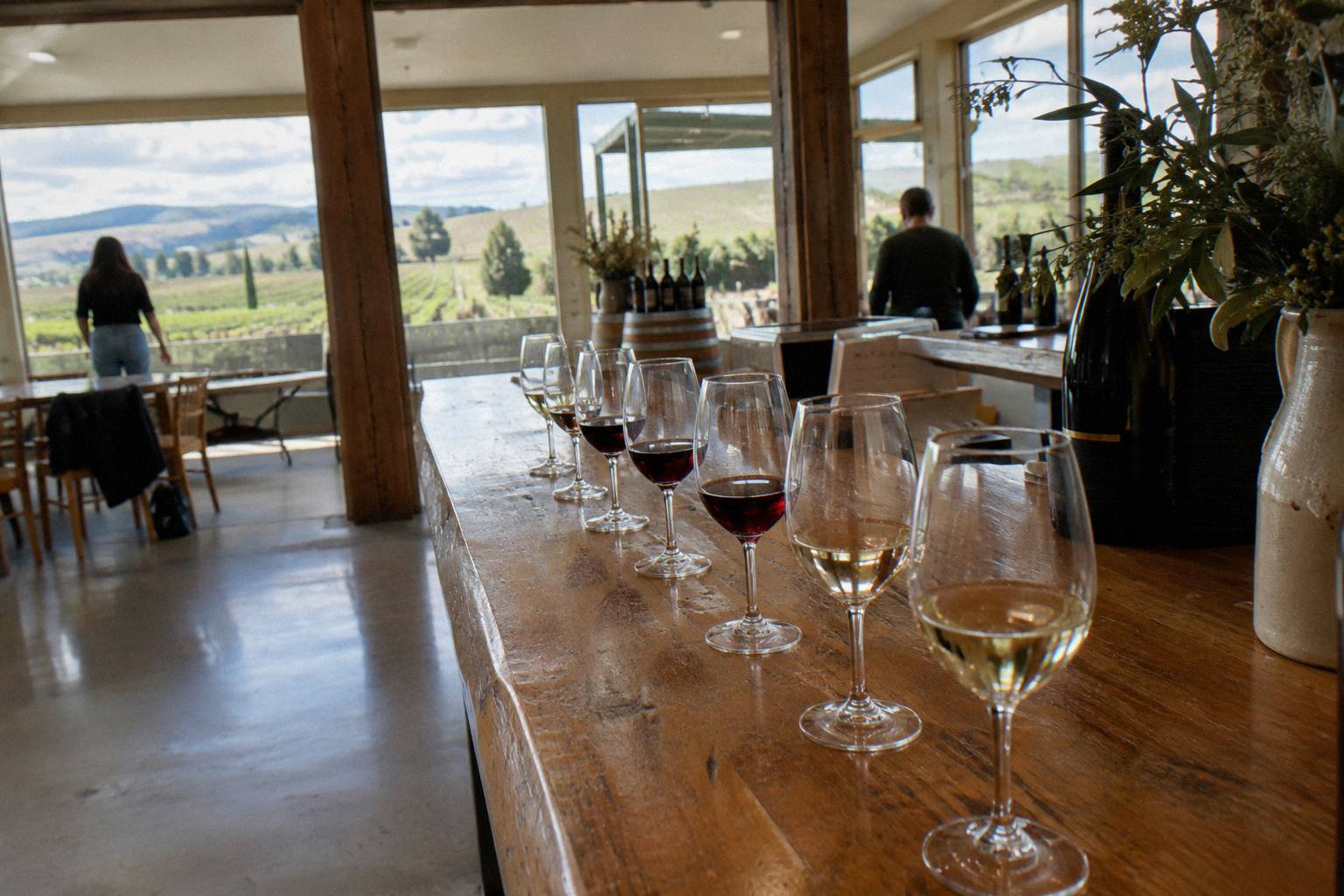
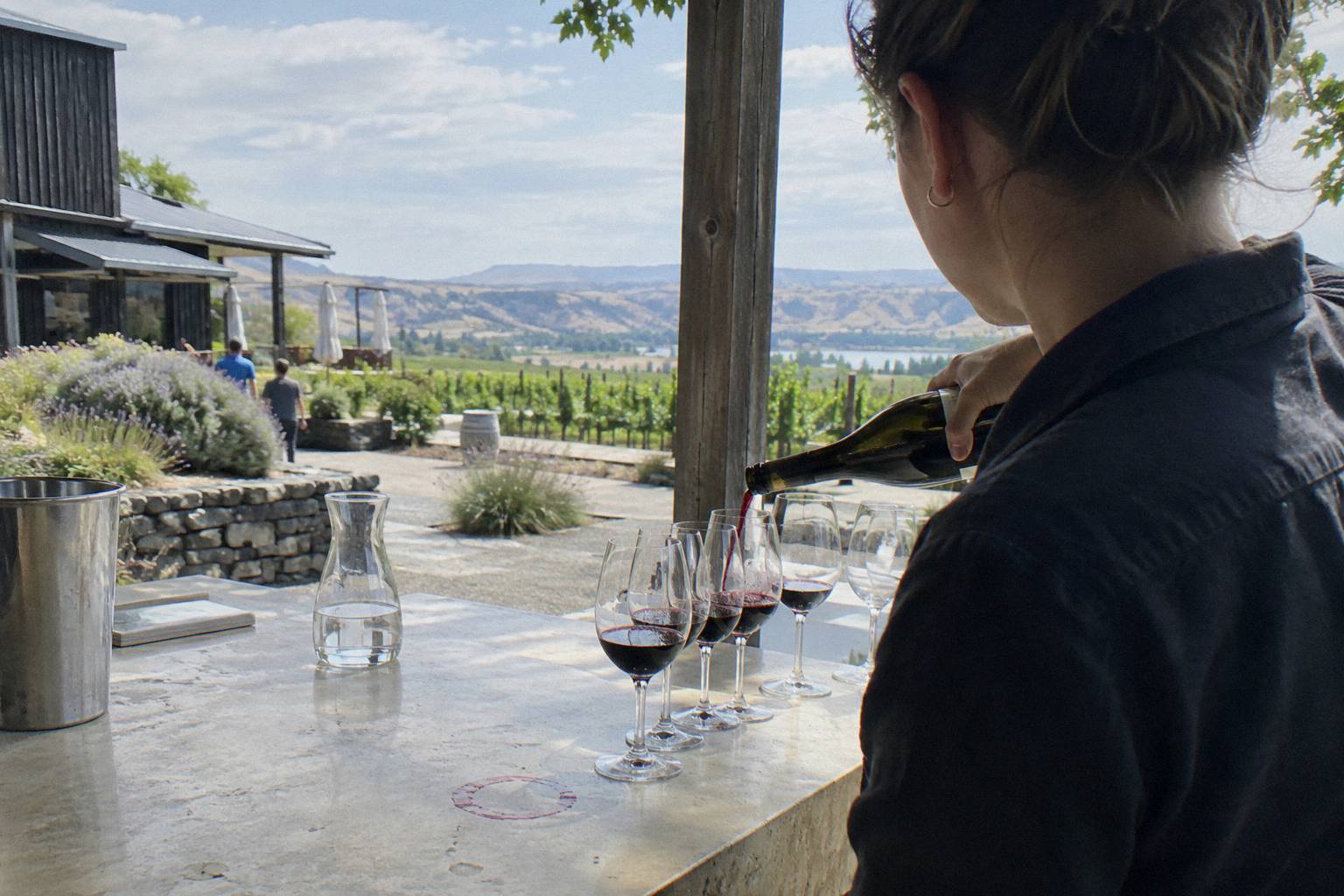
Ask for one Chardonnay and one red blend side by side at the same stop, a Syrah next to the blend where available, and the cellar's dessert style at the final stop. Guides on the region's small-group tours routinely arrange this, and the booking pages list friendly, plain-English explanation as a feature on several of them.
The question is more powerful than it sounds. A standard tasting line-up pours white to red in sequence, which teaches you what each wine is. Asking for two wines of the same style from the same cellar, or the same grape from two growing areas, teaches you why they differ. Prinsy's Half-Day Wine Tour With Cheeseboard, for instance, lists "friendly, plain-English wine explanations" on its booking page, runs 5 hours with door-to-door pickup from selected Napier hotels, from US$113 per person, rated 4.9 from 17 reviews, and visits up to 4 internationally recognised wineries with a cheeseboard and all tastings included. That is a format built for asking questions.
| Ask for | Why it helps | Where it fits the day |
|---|---|---|
| Chardonnay beside a red blend from the same cellar | Shows one producer's range across the region's two headline styles | Any stop that pours both |
| The red blend beside a Syrah | Separates "blend" from "single-variety red" in one sitting | Stops that pour both reds |
| The same style asked about across two stops | Turns the drive into a comparison, not a sequence | Second and third cellar doors |
| The dessert style | Completes the official style list; usually a small final pour | Last stop of the day |
Guides also answer the questions this guide cannot. Which vintage is drinking best now, what a particular cellar's Chardonnay tastes like this year, which producer leans toward which style: none of that is published here, and all of it is one question away from the person holding the bottle. The retired grower who explains grape growing on Gimblett Gravels Road, listed on both Vines And Views booking pages, is exactly that kind of resource.
A note on the drive itself: keep the day alcohol-aware. The legal limits in New Zealand are strict enough that the tour driver is not a convenience but the plan, and the under-20 zero-alcohol rule catches out younger travellers who assume a tasting or two is fine. The region's tours state minimum ages of 18 on several booking pages precisely because the purchase age on licensed premises is 18, per the Sale and Supply of Alcohol Act 2012.
Does A Tour Format Change How Much You Taste?
Yes, materially. A five-hour small-group day with all tasting fees included can pour at three or four cellar doors, while a self-guided cycle day pays tasting fees separately at each optional stop, and a private tour controls the pace and the pour list. Group size also matters: tour rosters here run from 2 to 26 guests.
The Winery Tours Hawke's Bay Half-Day 4-Winery Tasting shows the value end of the included-fees approach: from US$105 per person, rated 5.0 from 5 reviews, a group of up to 26, four wineries, all tasting fees, and a platter or cheese board at one stop, with free pickup and drop-off in Hastings, Havelock North, Clive, Napier and Taradale. It needs a minimum of two bookings to run, with a full refund if it does not, and online bookings close at 8am on the day. The larger group is the trade against the price.
At the other end, private tours hand you the pour list. Prinsy's Hawke's Bay Icons Private Wine Tour, rated 4.9 from 201 reviews, with the price shown on the booking page when you pick a date, runs about 5 hours with only your group, and its booking page lists Craggy Range, Te Mata Estate, the Church Road cellar door and Trinity Hill, about an hour each with admission included, plus a cheeseboard platter for lunch and a full lunch arrangeable but not included. On a private format, "ask the guide to pour X" stops being a request and becomes the itinerary.
The bike days are the third answer. The Coast To Vineyards Self-Guided Cycle Tour, from US$50 per person, the lowest from-price on our roster, rated 4.9 from 37 reviews, includes an electric or regular bike, helmet, lock, bag, a map with advice, mechanical assistance, and return transport to Napier from Black Barn winery at 4pm, while tasting fees, food and drinks are not included. Its booking page names Askerne Estate, Te Mata Estate, Craggy Range, Black Barn and the Atea a Rangi Star Compass as stops, and says booking lunch or a wine tasting is recommended and essential on weekends.
What Does A Food-Led Tour Add To A Style Tasting?
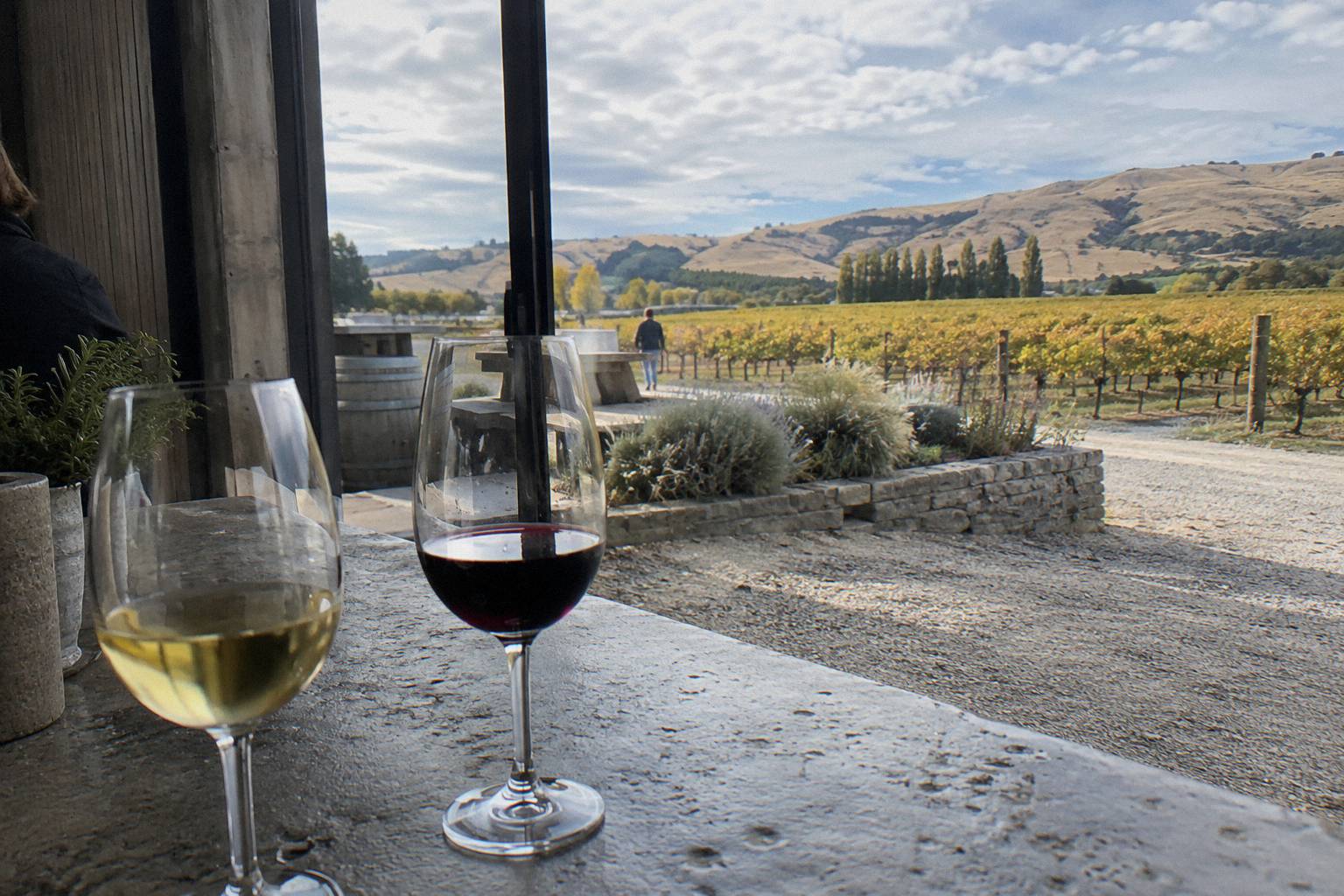
A food-led tour trades one tasting stop for a restaurant course, which slows the day and gives each style a meal setting. The Vines And Views Gourmet Luncheon And 3 Wineries runs about 5.5 hours from US$143 per person, rated 4.7 from 105 reviews, with a luncheon platter and a glass of wine at the Mission Estate restaurant, all tasting fees included, and dietary needs catered for with prior notice.
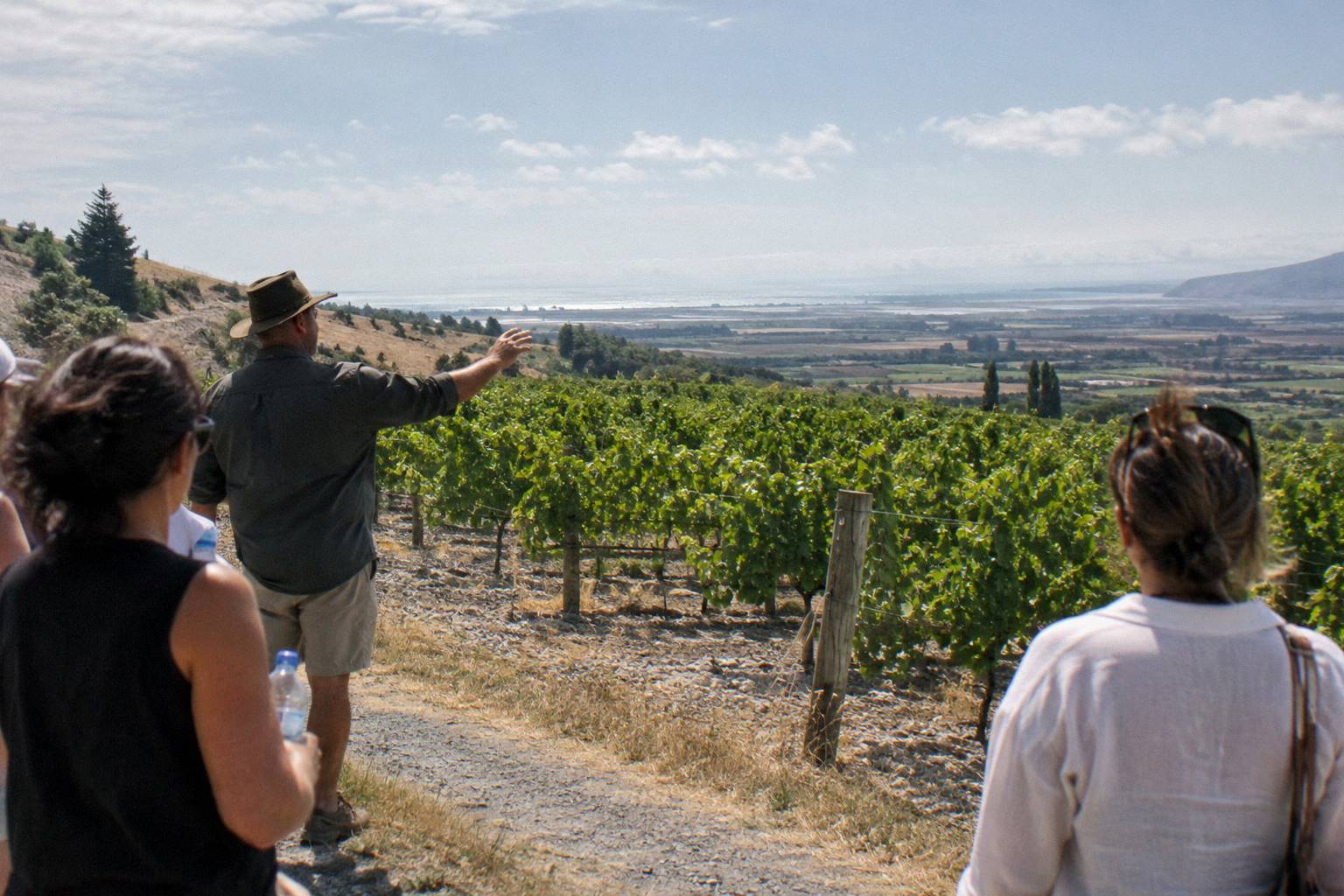
Its booking page also lists Pask Estate, Trinity Hill and a cheese board at Trinity Hill or Askerne, plus the grower's explanation on Gimblett Gravels Road, and states the tour goes ahead regardless of weather, a useful detail in a region whose tours otherwise lean on seasonal cellar door hours. For a reader whose main question is what to taste, a lunch stop is also a natural place to order a glass of a style the tasting line-up skipped, and to see how the region's two headline styles behave beside food rather than across a counter.
If lunch is the anchor of your day rather than an add-on, our guide to winery lunches on a Hawke's Bay wine day covers which cellar doors have restaurants on site. The short version: Craggy Range, Mission Estate and Church Road all do, per their own pages.
Which Styles Suit Which Kinds Of Visitor?
First-time visitors get the most from a multi-stop driving tour that pours both headline styles; returning visitors and wine learners suit the Church Road pairing; mixed groups with a non-wine drinker suit the beer or cider day; and confident cyclists on a budget suit the self-guided loop from US$50 per person. Cruise passengers have three dedicated shore options from US$91 per person.
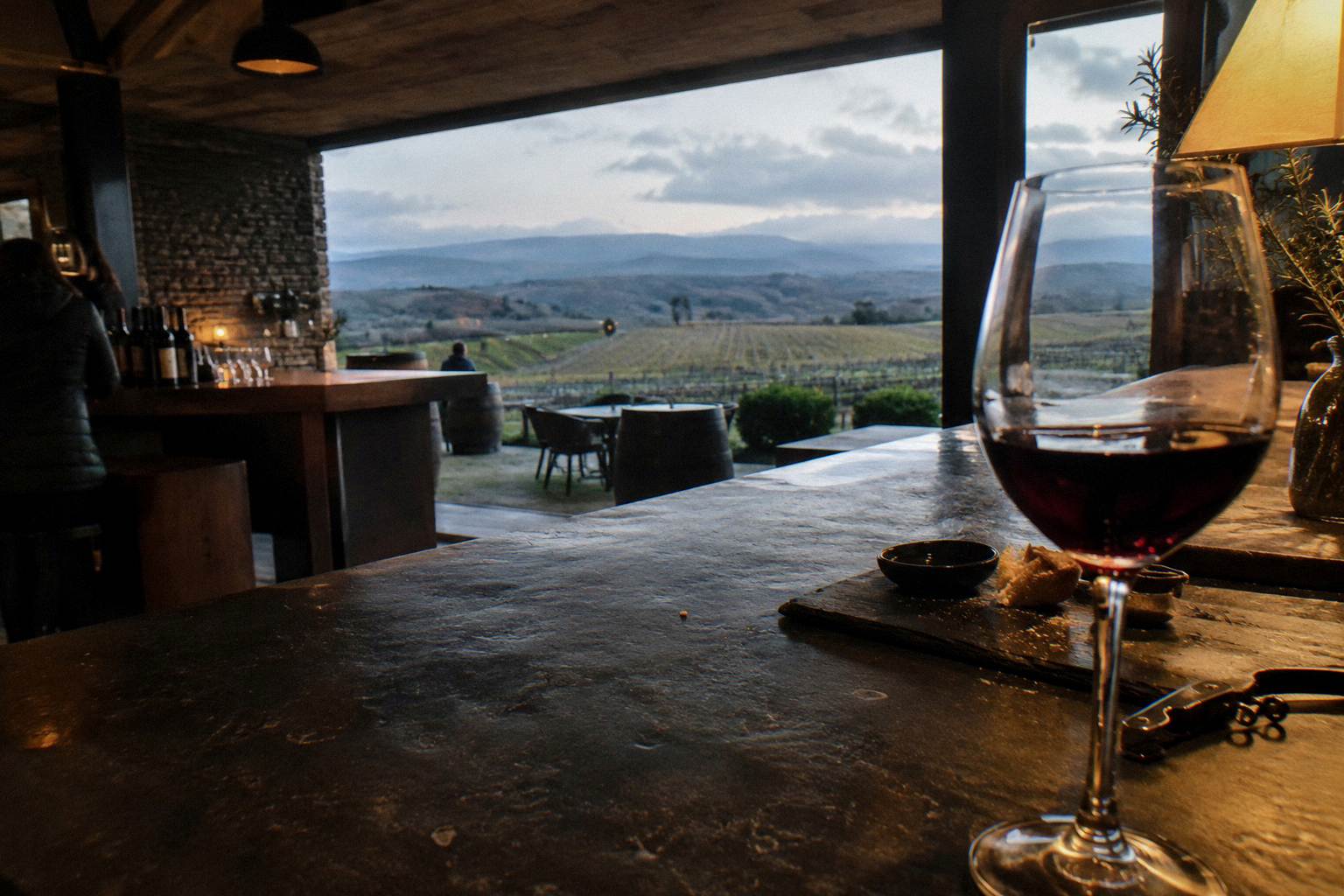
That is the whole decision, compressed. A first trip to the region is about discovering what the official style list tastes like in the glass, and four stops across five or five-and-a-half hours does that efficiently. A return trip is about depth, and two hours in one cellar's underground museum with back vintages from the cellar, the Church Road format, delivers it. A group containing a beer drinker has an answer on the Scenic tour with the brewery stop. And a pair of cyclists who already know what they like can buy the from-US$50 bike day and pay tasting fees as they go.
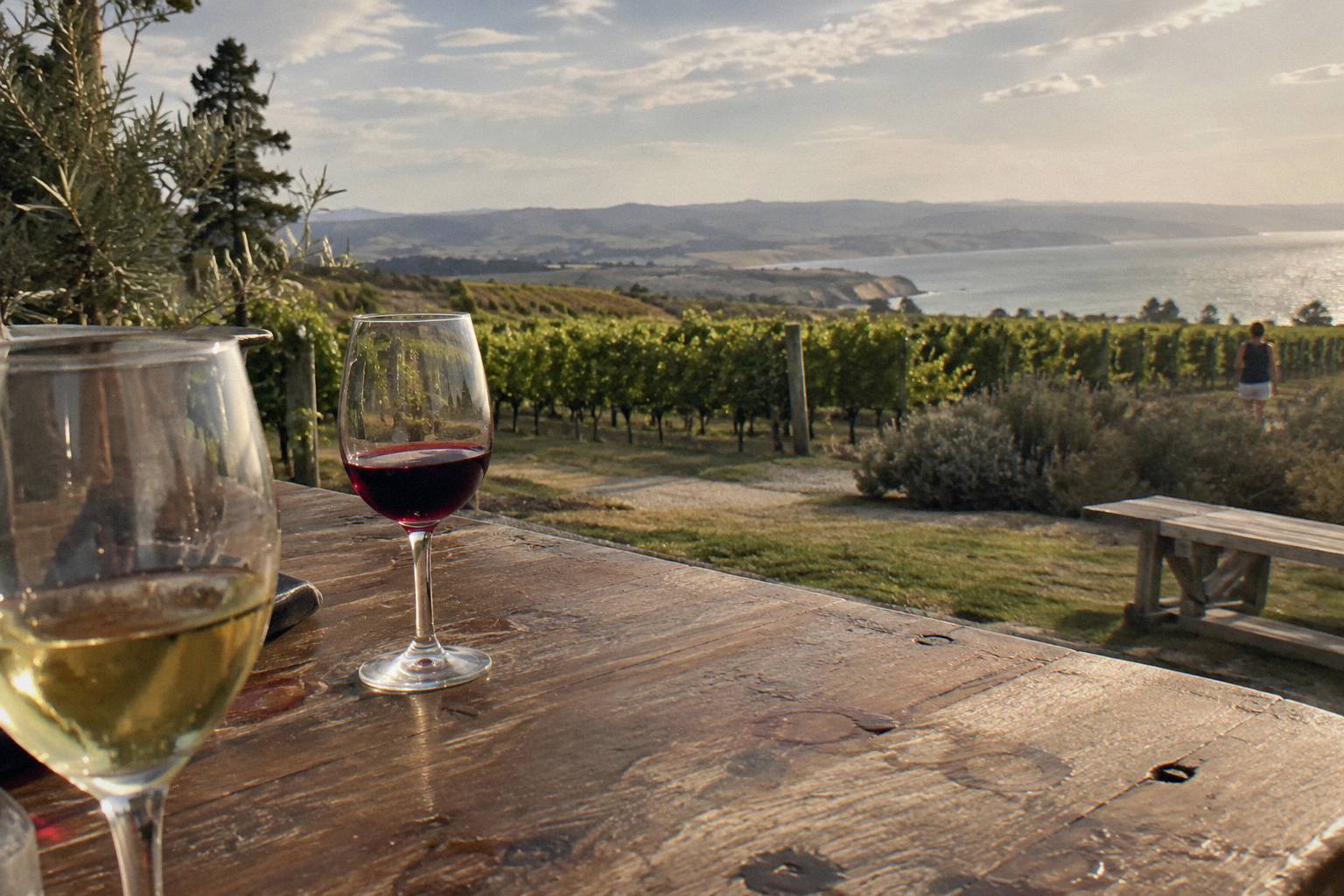
Cruise visitors should read the style question slightly differently, because time ashore is short and tours are built to fit it. The region's port welcomes cruise ships typically from October to April, per the port's own cruise page, and the three shore products on our roster range from a 3-hour private historic-wineries tour from US$324 per group of 2, which the booking page lists with Mission Estate and Church Road at 75 minutes each, to a 3.5-hour small-group excursion from US$99 per person that pairs an Art Deco highlights drive with a tasting and platter. Our Napier cruise ship winery day guide covers the format in full.
| Visitor type | Best-fit format | Example (from-price) |
|---|---|---|
| First visit, want the overview | Multi-stop small-group drive | Scenic 4 Premium, US$104 per person |
| Returning, want depth | Single-winery pairing | Church Road Pairing, US$122 per person |
| Mixed group with a beer drinker | Wine plus brewery day | Scenic Wine With Beer Or Cider, US$108 per person |
| Confident cyclists on a budget | Self-guided loop, fees paid separately | Coast To Vineyards, US$50 per person |
| Cruise passenger, short day | Shore excursion with tasting | From US$91 per person |
How Do You Plan The Day Around The Two Styles?
Book a driving tour that includes tasting fees, tell the guide at the first stop that you want to compare Chardonnay and a red blend across the route, and leave the driving to the tour. Book in advance for weekends and festival dates, check the cancellation terms on the listing, and expect cellar doors to shift opening days seasonally.
Advance booking matters more than most visitors expect. Several of the region's tours run small groups of up to 11, and the bike day's own booking page calls weekend lunch and tasting reservations essential. Two of the region's biggest dates, the Bridge Pa Wine Festival and the Art Deco Festival, both fall in the January-February window, and both compress accommodation and tour availability. Our guide on whether you need to book a Hawke's Bay winery tour in advance goes through the timing in detail.
If breadth is your answer and the styles comparison is the point of the day, the featured small-group half day is the one to lock in first: tastings, entrance fees and a platter or semi-pizzas included, pickup from your Napier accommodation, and free cancellation up to 24 hours before if the itinerary shifts. The price varies by date and group size and is confirmed on the booking page.
The official style list is your checklist on the day. Red blends and Chardonnay first, since those are what the region is best known for. A Syrah beside the blend where a cellar pours both. An aromatic white early in the line-up. A dessert style at the last stop, in the small pour it usually comes in. Ask the guide which of those the next cellar door does best, and let the answer set the order of your asks. That is the whole method: the region tells you what to taste, the guide tells you where and when, and the tour handles everything between the glasses.
However the day is shaped, the reason it works is the region itself, and Hawke's Bay Wine Tour exists to map it: a growing area warm enough for Bordeaux-weight reds and breezy enough for Burgundy-weight whites, poured a short drive apart.
Common Questions About Chardonnay And Red Blends In Hawke's Bay
What Is Hawke's Bay Best Known For In Wine?
Red blends and Chardonnay, per the regional wine body, with aromatic whites, Syrah and dessert styles also produced. The region holds about a tenth of New Zealand's planted vineyard area and its heat summation sits between Burgundy and Bordeaux.
Can You Taste Both Chardonnay And Red Blends On One Tour?
Yes. Most multi-stop driving tours pour both headline styles across three or four cellar doors in five to six hours, since nearly every cellar door in the region pours Chardonnay and most lead with a red blend.
Which Tour Is Best For Comparing Vintages Of One Style?
The Church Road Premium Wine And Food Pairing. It pours current-release and back-vintage flights from one cellar over 2 hours, from US$122 per person, with savoury bites, up to 6 guests, and no transport included.
What Should I Ask A Tour Guide To Pour?
Ask for a Chardonnay beside a red blend from the same cellar, a Syrah next to the blend where available, and the cellar's dessert style at the final stop. Producer-level tasting notes are not published here; the guide holding the bottle is the source.
Do Tasting Fees Come Included On Hawke's Bay Wine Tours?
On the driving tours, usually yes: the Scenic, Prinsy's, Napier Premium, Winery Tours Hawke's Bay, Vines And Views and Beer Or Cider listings all include tastings or fees. On the self-guided cycling days, tasting fees and food are not included.
Is There A Tour For A Group Where Not Everyone Drinks Wine?
Yes. The Hawke's Bay Premium Wine Tasting With Beer Or Cider includes four drinks per person, with beer or cider at a local brewery, from US$108 per person, plus a cheese platter or pizzas subject to availability.